









Scientists have recently discovered a new species of cicada in Meghalaya, informally referred to as the “Butterfly Cicada.”
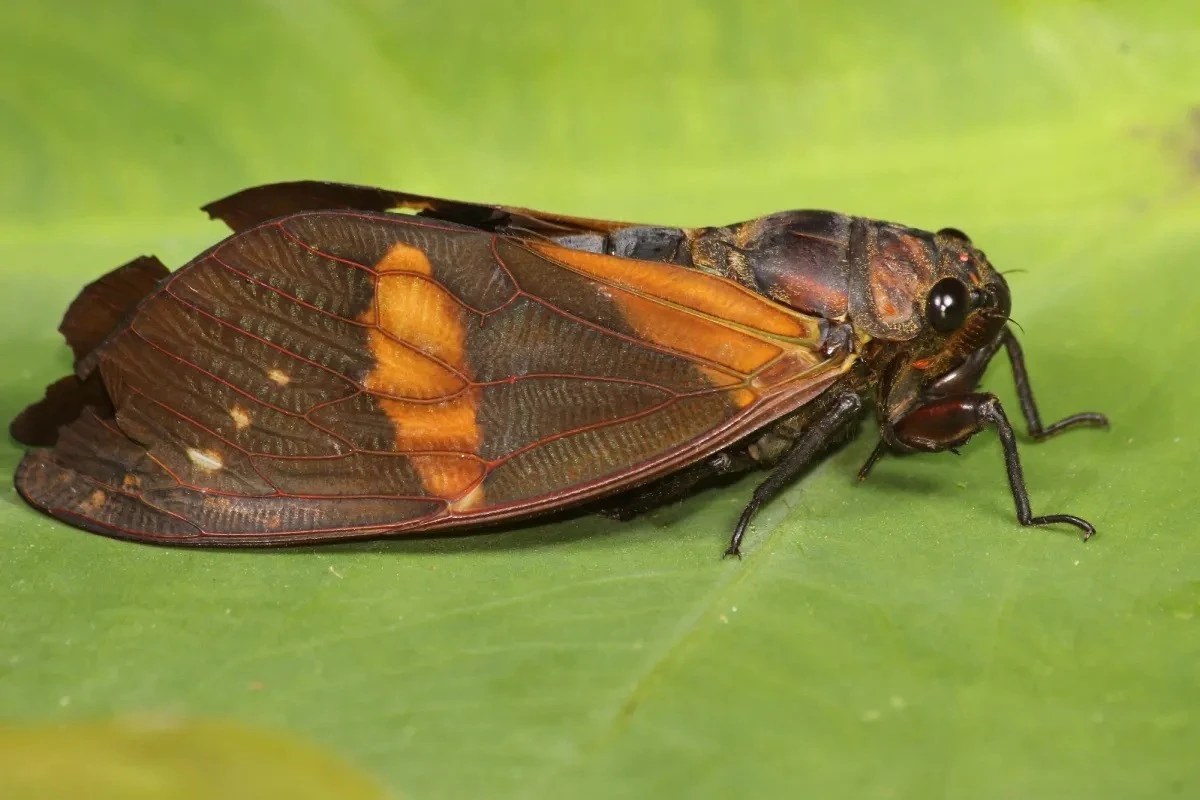
About Butterfly Cicada:
- The cicada, belonging to the genus Becquartina, represents the first-ever record of this genus in the country.
- The genus Becquartina includes six species located in Southeast Asia, often dubbed “Butterfly cicadas” because of their vibrant wings.
- The discovery brings the total number of known species in the genus Becquartina to seven.
- Its colorful wings have led to it being nicknamed the “butterfly cicada,” while its species name “bicolour” highlights its two distinct color forms.
- The species name bicolour was used in reference to the fact that there are two distinct colour forms of this species.
- The Butterfly Cicada was initially discovered near Balpakram National Park in South Garo Hills District.
- Later, in 2020, it was found in the Nongkhrah community forest in Ri-Bhoi district.
Habitat & Behaviour:
- The species is localised in Garo Hills and Ri-Bhoi district, preferring thick forests and native vegetation.
- This discovery highlights the significance of preserving the habitat of the cicada in protected areas and community forests.
- Active from April to June, the Butterfly Cicada exhibits different calling patterns between the Garo Hills and Ri-Bhoi districts.
- In Garo Hills, males call vigorously during the morning and evening, whereas in Ri-Bhoi, calls are predominantly heard during daylight hours.
Features:
- The basal one-third of the hind wing displays a vibrant saffron color, while the apical two-thirds are matte black with distinct rich saffron squarish spots present from the 2nd to 4th sub-apical cells, with slight traces of spots on the 1st and 5th apical cells.
- Together, these sub-apical spots form a noticeable sub-apical patch.
- The second form, or white form, of the cicada features a greenish-brown post-internodal transverse fascia on the forewing.
- The basal one-third of the hind wing is pale, faintly greenish-white, while the apical two-thirds are matte black.
Ref:Source
| UPSC IAS Preparation Resources | |
| Current Affairs Analysis | Topperspedia |
| GS Shots | Simply Explained |
| Daily Flash Cards | Daily Quiz |
Frequently Asked Questions (FAQs):
What genus does the newly discovered Butterfly Cicada belong to?
The Butterfly Cicada belongs to the genus Becquartina.
How many species are now known in the genus Becquartina after this discovery?
With this discovery, there are now seven known species in the genus Becquartina.
Where was the Butterfly Cicada first discovered?
The Butterfly Cicada was first discovered near Balpakram National Park in South Garo Hills District, Meghalaya
What are the key features of the Butterfly Cicada’s wings?
The basal one-third of the hind wing displays a vibrant saffron color, while the apical two-thirds are matte black with distinct rich saffron squarish spots, forming a noticeable sub-apical patch. The second form has a pale, faintly greenish-white basal one-third and a matte black apical two-thirds of the hind wing.
During which months is the Butterfly Cicada active, and how do its calling patterns differ between regions?
The Butterfly Cicada is active from April to June. In the Garo Hills, males call vigorously during the morning and evening, whereas in Ri-Bhoi, calls are predominantly heard during daylight hours.