









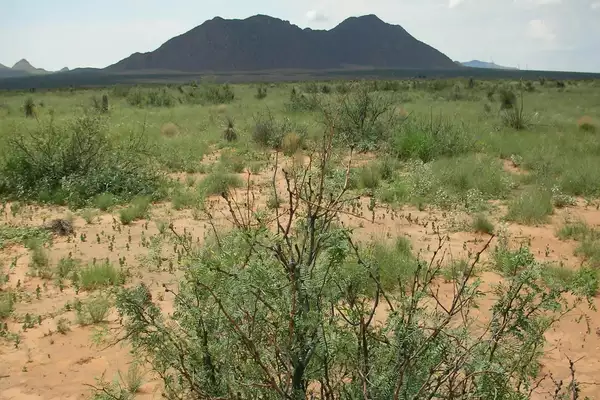
A recent study reported that increasing tree cover in historically open ecosystems like savannahs and grasslands has reduced native grassland bird populations.
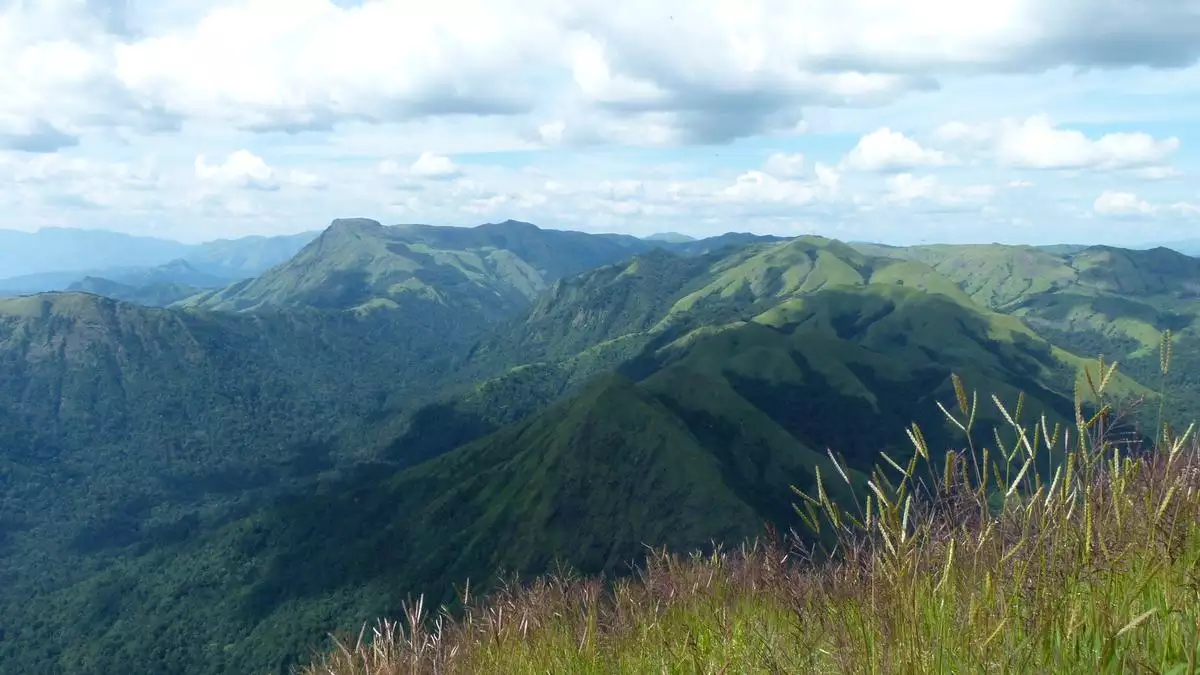
Key Findings of the Study:
- Woody Encroachment is a process involves the conversion of open habitats to those with greater tree cover, leading to ecosystem homogenization and loss of biodiversity.
- The key drivers of Encroachment include fire suppression, fragmentation, increased atmospheric CO2, and changing disturbance regimes.
- Woody encroachment is a global issue affecting ecosystems in South America, Australia, Africa, and India.
- The succession of woody species alters soil conditions, increases predation on specialist birds and rodents, and disrupts the ecological balance of grasslands.
- In the African Savannah, grassland bird populations have declined by more than 20% due to increased tree cover.
- There is a need for more evidence, long-term ecological monitoring, and policy changes to combat woody encroachment and protect grasslands.
- This includes dismantling colonial terminologies like “wastelands” to better classify and conserve open ecosystems.
Key Findings on India:
- In India, grasslands across different climatic regimes are threatened by woody encroachment, fragmentation, and colonial conservation policies.
- Wet grasslands in the Himalayas and Western Ghats are particularly vulnerable.
- Historical and contemporary human activities, including colonial policies and modern tree plantation programs, have exacerbated woody encroachment.
- In India, invasive species like Prosopis juliflora in the Banni grasslands and eucalyptus in Shola grasslands have transformed large areas, contributing to the loss of native grasslands.
Ref: Source
| UPSC IAS Preparation Resources | |
| Current Affairs Analysis | Topperspedia |
| GS Shots | Simply Explained |
| Daily Flash Cards | Daily Quiz |
Frequently Asked Question:
What is woody encroachment?
Woody encroachment is the process through which open habitats like grasslands and savannahs become dominated by trees and shrubs. This leads to ecosystem homogenization, where diverse open habitats turn into more uniform, tree-dominated environments.
What are the main drivers of woody encroachment?
The key drivers include fire suppression, habitat fragmentation, increased atmospheric CO2, and changes in disturbance regimes (such as reduced grazing and fire).
How does woody encroachment affect ecosystems?
Woody encroachment alters soil conditions, increases predation on specialist species like certain birds and rodents, and disrupts the ecological balance of grasslands.