









Biodiversity Heritage Sites (BHS) are unique and ecologically sensitive areas teeming with wide range of species variety. These sites play a significant role in the conservation of rare, endemic, and threatened species, while reflecting India’s cultural diversity. In this article, you will learn about definition, significance, and various components of these sites, providing key insights for GS Paper-3 Environment & Ecology of UPSC IAS Exam.
Table of Content
- What is Biodiversity Heritage Site (BHS)?
- Components of Biodiversity Heritage Sites
- Criteria for Identification of BHS
- What is Section 37 of the Biological Diversity Act 2002?
- Significance of Biodiversity Heritage Sites
- List of Biodiversity Heritage Sites (BHS) in India
- Conclusion
- Frequently Asked Questions on Biodiversity Heritage Sites
What is Biodiversity Heritage Site?
- Biodiversity Heritage Site is a distinctive and ecologically fragile ecosystems that boast a rich biodiversity.
- There is total 40 biodiversity heritage sites in India.
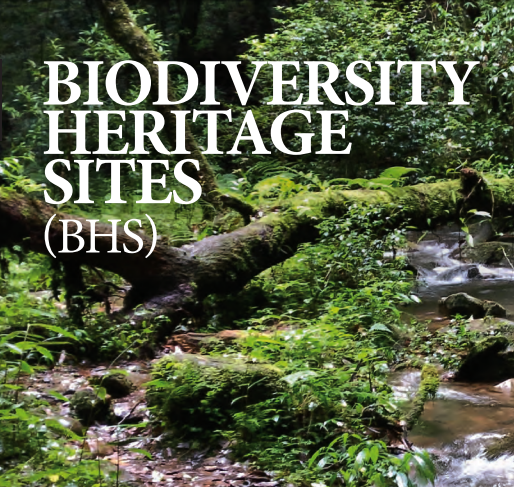
Components of Biodiversity Heritage Sites
Biodiversity Heritage Sites can be found in terrestrial, coastal, inland water, and marine ecosystems. They often exhibit one or more of the following characteristics:
- Richness of wild as well as domesticated species or intra-specific categories.
- High endemism.
- Presence of rare and threatened species, keystone species, species of evolutionary significance.
- Wild ancestors of domestic/cultivated species or their varieties.
- Past pre-eminence of biological components represented by fossil beds and having significant cultural, ethical or aesthetic values and are important for the maintenance of cultural diversity, with or without a long history of human association with them.
Criteria for Identification of Biodiversity Heritage Sites:
Areas having any of the following characteristics, may qualify for inclusion as Biodiversity Heritage Sites:
- Contains a mix of natural, semi-natural, and man-made habitats that collectively support diverse life forms
- Houses significant domesticated biodiversity components or representative agro-ecosystems sustained by ongoing agricultural practices
- Holds biodiversity and cultural importance, such as sacred groves, trees, or community-conserved areas
- Provides refuge or corridors for threatened and endemic flora and fauna, even in small urban greens and wetlands
- Offers habitats for seasonal migrant species for feeding and breeding
- Preserves areas as research plots by the Forest department
- Includes Medicinal Plant Conservation Areas
What is Section 37 of the Biological Diversity Act 2002?
Section 37 of the Biological Diversity Act of 2002 talks about the power of state governments to declare suitable location as BHS.
- Subsection 1 of Section 37: It allows the State Government, In consultation with local bodies, for designate areas of biological significance as Biodiversity Heritage Sites (BHS).
- Subsection 2 of Section 37: State government can create regulations for the management and preservation of the BHS after consulting with the federal government.
- Subsection 3 Section 37: State government can develop plans for the restitution or rehabilitation of any person or community who suffered economic harm as a result of the BHS’s notification.
Typically, the designation of a Biodiversity Heritage Sites does not impose restrictions on the community’s utilization of resources within the area.
Significance of Biodiversity Heritage Sites
- Enhance the local community’s quality of life through conservation efforts
- Serve as reservoirs for rare, endemic, and threatened species, as well as keystone species and species of evolutionary significance
- Protect wild ancestors of domestic species, thus promoting genetic diversity
- Preserve cultural aspects, such as sacred groves and sites, alongside other community-conserved areas
List of Biodiversity Heritage Sites (BHS) in India
| State | Biodiversity Heritage Site |
| Karnataka | Nallur Tamarind Grove |
| Hogrekan | |
| University of Agricultural Sciences, GKVK Campus, Bengaluru | |
| Ambaraguda | |
| Maharashtra | Glory of Allapalli |
| Bambarde Myristica Swamps | |
| Ganeshkhind Garden | |
| Landorkhori | |
| Schistura Hiranyakeshi | |
| Himachal Pradesh | Sacred Grove at Sural Bhatori Monastery |
| High Altitude Meadow HUDAN BHATORI | |
| Birch-pine Forest Patch Nain Gahar | |
| Tripura | Baramura Waterfall |
| Unakoti | |
| Silachari Caves | |
| Debbari or Chabimura | |
| Betlingshib & its surroundings | |
Assam | Hajong Tortoise Lake |
| Borjuli Wild Rice Site | |
| Majuli | |
| Odisha | Mahendragiri Hill Biodiversity Heritage Site |
| Mandasaru | |
| West Bengal | Char Balidanga |
| Namthing Pokhari | |
| Amkhoi Wood Fossil Park | |
| State Horticulture Research and Development Station | |
| Baneswar Shiva Dighi | |
| Tonglu site under the Darjeeling Forest Division | |
| Dhotrey site under the Darjeeling Forest Division | |
| Chilkigarh Kanak Durga | |
| Madhya Pradesh | Naro Hills |
| Patalkot | |
| Amarkantak | |
| Manipur | Dialong Village |
| Telangana | Ameenpur Lake |
| Uttar Pradesh | Ghariyal Rehabilitation Centre, Lucknow |
| Meghalaya | Khlaw Kur Syiem KmieIng |
| Kerala | Asramam, Kollam |
| Tamil Nadu | Arittapatti Biodiversity Heritage Site |
| Goa | Purvatali Rai |
Conclusion
Biodiversity Heritage Sites (BHS) play a critical role in preserving India’s rich and diverse ecosystems. They contribute to the conservation of rare, endemic, and threatened species, support community-conserved areas, and maintain cultural diversity. While the designation of BHS has significant ecological and cultural importance, it is essential to strike a balance between conservation efforts and the well-being of local communities as well
What was 1st Biodiversity Heritage Site in India?
Nallur Tamarind Grove in Bengaluru, Karnataka is India’s first Biodiversity Heritage Site.
Who declares biodiversity heritage sites?
State Government, in consultation with local bodies, declare areas of biological significance as Biodiversity Heritage Sites (BHS).
Which state in India has highest number of biodiversity heritage sites in India?
Bengal now has the highest number of biodiversity heritage sites in India.