









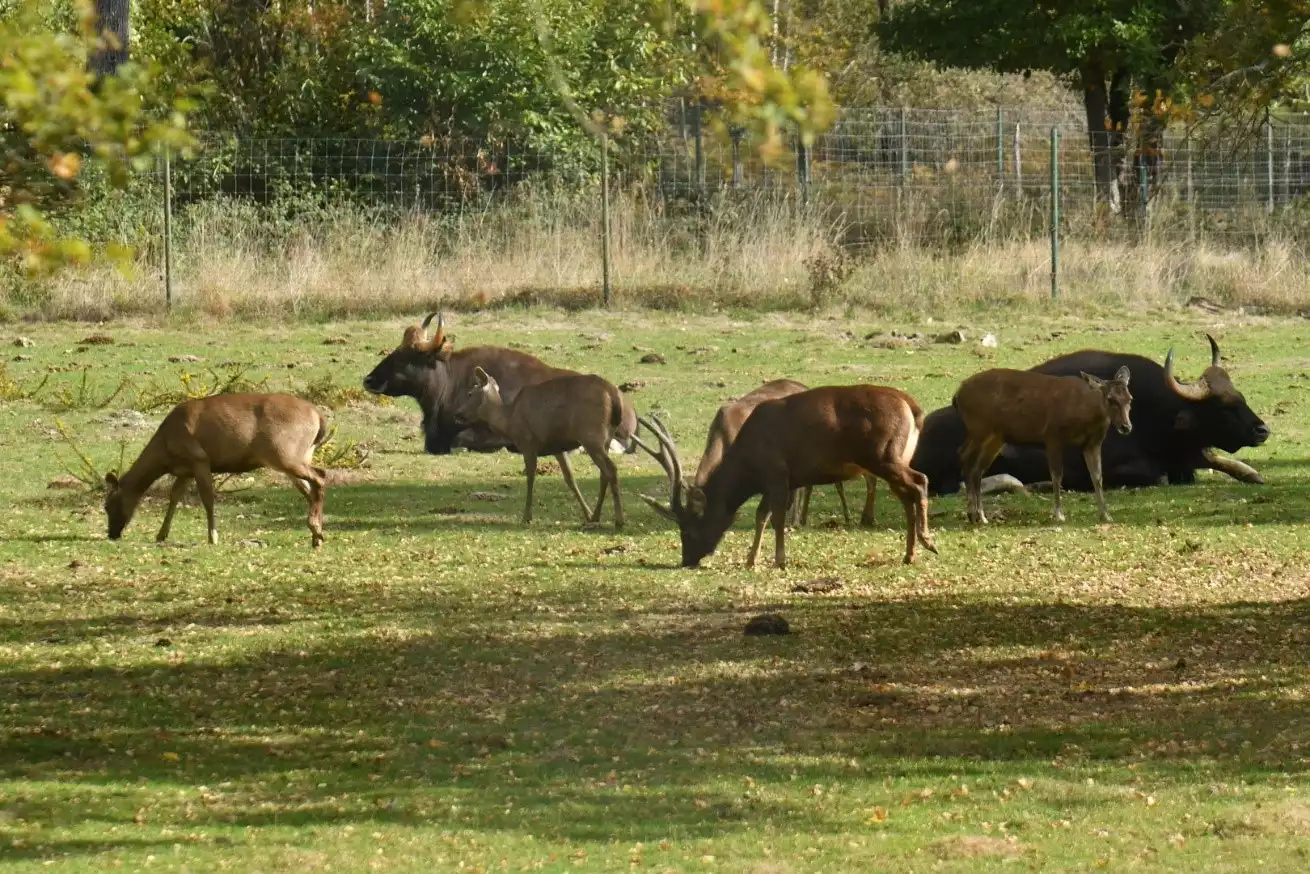
The Odisha government recently planned to introduce Sambar and Gaur as well as launch a ‘nocturnal trail’ in the Chandaka-Dampara wildlife sanctuary.
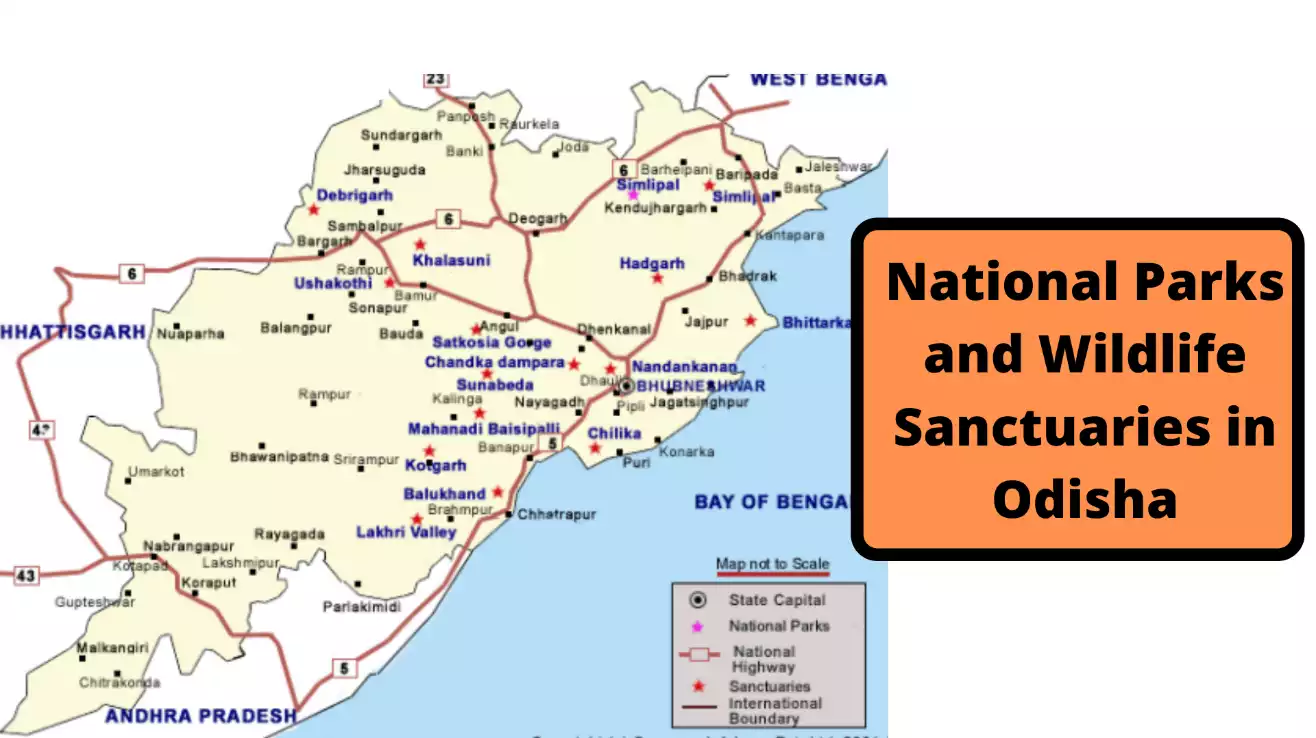
About Chandaka-Dampara Wildlife Sanctuary:
- It is located in the up land of North-Eastern Ghat of biotic region, near Bhubaneshwar, Odisha.
- This is now an isolated forest, which once formed a part of Eastern Ghats forest and Central Indian Elephant range.
- It lies adjacent to the Nandankanan zoo and Bharatpur Reserve Forest is situated to its east.
- Forest Type: Evergreen and deciduous forest spread over the uneven table hills and hillocks of the Eastern Ghats.
- Flora: Preponderance of thorny bushes, weed growth, Thorny bamboo, Kusum, Karada, etc.
- Fauna: Elephants, Chital, Barking Deer, Rhesus Monkey, Pangolin, Sloth Bear, Indian Wolf, Hyena, various reptiles, and over 100 species of birds including Raptors.
- Water reservoirs: Deras Dam and Jhumka Dam,
About Sambar Deer:
- Sambar is the largest of the deer species, and widely distributed in the family Cervidae.
- Appearance: Dark brown to ash-gray unspotted coat with a lighter underside and forming a ruff around its neck.
- The male sambar bears long, three-tined antlers, unlike females who lack antlers.
- Geographical Distribution: India, Sri Lanka and Nepal eastward through Southeast Asia.
- Behavior: Predominantly crepuscular (most active during dawn and dusk), distinctive barking vocals.
- They have theability to use two feet (bipedalism) to stand on hind legs and rub tree branches with antlers to mark their territories.
- Conservation Status:
- IUCN Red List: Least Concern
- Wildlife Protection Act,1972: Appendix I
- Threats: Illegal hunting and poaching for meat and antlers, Habitat loss due to deforestation, human encroachment, and agricultural expansion.
About Indian Gaur (Indian Bison):
- It is a bovine native to South and Southeast Asia and the largest species among the wild cattle.
- Appearance: A massive head, prominent hump, deep body, and solid limbs, with reddish brown to black body.
- Both males and females have upwardly curved horns, growing from the sides of their heads in yellow base and black tip.
- Habitat: Grasslands, mixed woodlands, evergreen and deciduous forests to hilly and mountainous terrains.
- Conservation Status
- IUCN Red List: Vulnerable
- Wildlife Protection Act,1972: Appendix I
- Threats: Fragmentation of habitats isolates populations, reducing genetic diversity and resilience.
Ref: Source
| UPSC IAS Preparation Resources | |
| Current Affairs Analysis | Topperspedia |
| GS Shots | Simply Explained |
| Daily Flash Cards | Daily Quiz |