









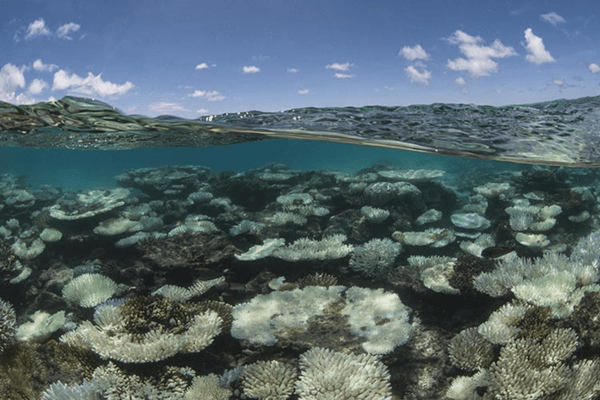
- For example, the mass bleaching of coral reefs since early 2023 is significant news affecting at least 53 countries, including Australia’s Great Barrier Reef.
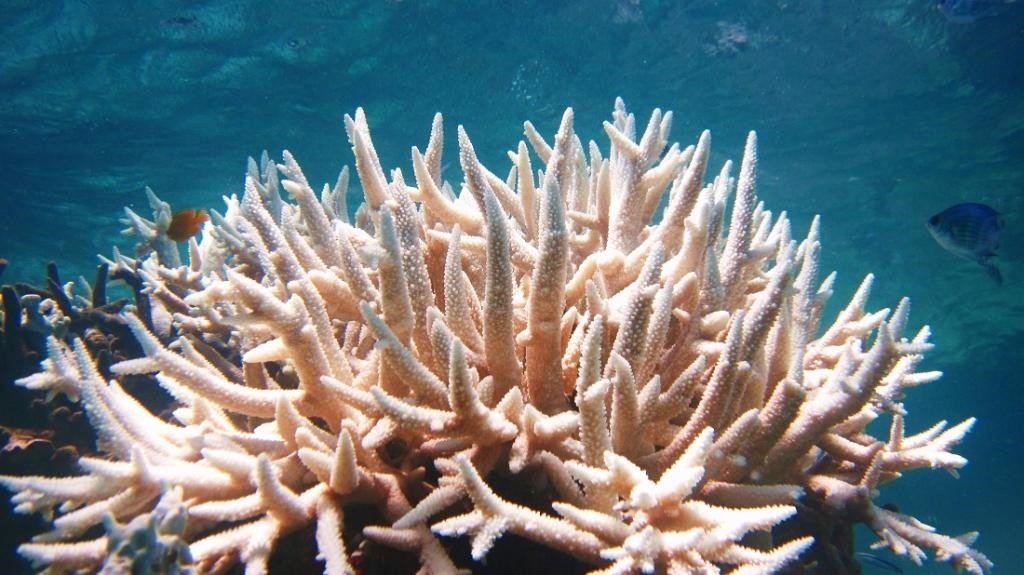
About Corals:
- Corals are invertebrate animals classified under the group Cnidaria. They are primarily divided into two types:
- Hard corals, which build reefs with their rock-like calcareous skeletons.
- Soft corals, which are more flexible and do not form large reef structures.
- In India, corals are predominantly located in the Gulf of Kutch, Gulf of Mannar, Palk Bay, Andaman & Nicobar Islands, and Lakshadweep Islands.
Types of Indian Coral Reefs:
- Fringing reefs: These reefs are directly adjacent to the coast with a shallow lagoon separating the reef and the shore.
- Barrier reefs: These are situated offshore, running parallel to the coast and separated by a deep, broad lagoon.
- Atolls: Typically circular or oval, these reefs are located on mid-oceanic ridges and feature a central lagoon.
Ideal Conditions for Coral Reefs
- Coral reefs flourish in warm (23–29°C), saline (32-42 ppt), clear, and shallow marine environments.
- They require stable temperatures and ample sunlight to thrive effectively.
About Coral Bleaching:
- Coral bleaching occurs when corals, stressed by environmental changes such as fluctuations in temperature, light, or nutrients, expel their symbiotic algae (zooxanthellae).
- This loss turns the corals white.
Causes of the 2023-2024 Coral Bleaching
- The fourth global mass coral bleaching event highlights the impact of increased ocean temperatures, which are primarily driven by climate change.
- Additional stressors include runoff and pollution, extreme low tides, and ocean acidification, all contributing to the widespread bleaching affecting global coral reef health.
Ref:Source
| UPSC IAS Preparation Resources | |
| Current Affairs Analysis | Topperspedia |
| GS Shots | Simply Explained |
| Daily Flash Cards | Daily Quiz |