









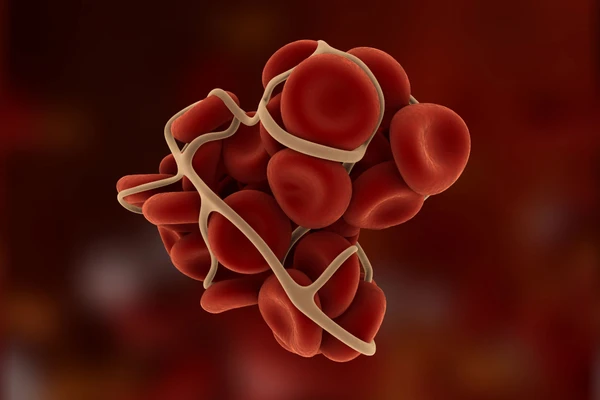
India has conducted the first human clinical trial of gene therapy for ‘Haemophilia A’ at Christian Medical College.
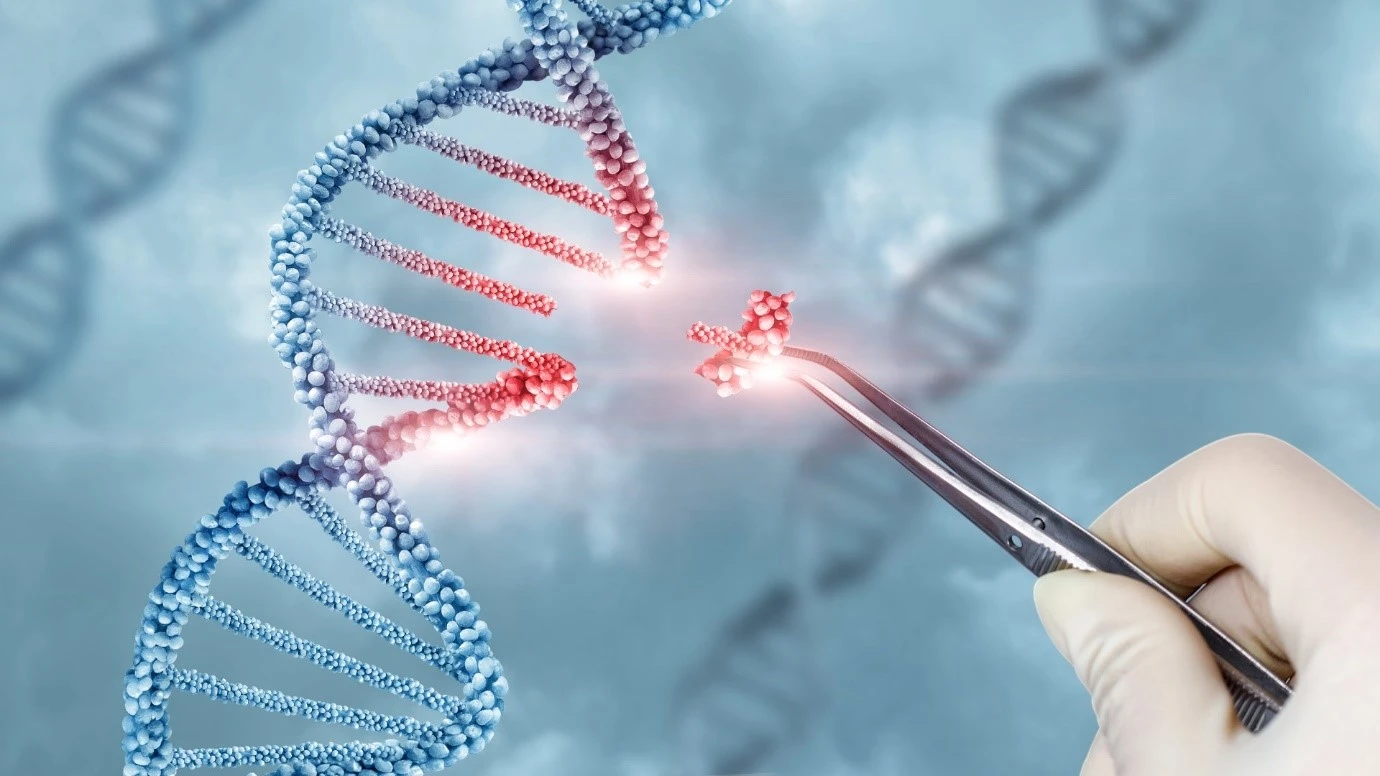
What is Gene therapy?
- Human gene therapy seeks to modify or manipulate the expression of a gene or to alter the biological properties of living cells for therapeutic use.
- It is a technique that modifies a person’s genes to treat or cure diseases.
- It can work by several mechanisms:
- Replacing a disease-causing gene with a healthy copy of the gene.
- Inactivating a disease-causing gene that is not functioning properly.
- Introducing a new or modified gene into the body to help treat a disease.
- Gene therapy is currently used to treat certain blood cancers, such as B-cell acute lymphoblastic leukaemia.
How does gene therapy work?
- Gene therapy works by altering the genetic code to recover the functions of critical proteins.
- Proteins serve as the cellular workhorses and form the structural foundation of the body’s tissues.
- The instructions for protein synthesis are encoded in a person’s genetic code, and variations or mutations in this code can affect the production or function of crucial proteins necessary for the body’s proper functioning.
- Addressing or compensating for disease-causing genetic changes can restore the role of these vital proteins, enabling the body to function as intended.
Approaches to genetic alterations:
Gene transfer therapy
- Gene transfer therapy involves introducing new genetic material into cells.
- If an altered gene results in a defective or missing necessary protein, gene transfer therapy can insert a normal copy of the gene to restore protein function.
- Alternatively, this therapy may introduce a different gene providing instructions for a protein that aids normal cell function, irrespective of the genetic alteration.
Genome editing:
- Genome editing is a newer technique applicable to gene therapy.
- Instead of adding new genetic material, genome editing employs gene-editing tools that can modify the existing DNA within cells.
- These technologies enable the addition, removal, or alteration of genetic material at precise locations in the genome, with CRISPR-Cas9 being a well-known type of genome editing.
Types of gene therapy:
- Plasmid DNA: Circular DNA molecules can be genetically engineered to carry therapeutic genes into human cells.
- Viral vectors: Viruses have a natural ability to deliver genetic material into cells, and therefore some gene therapy products are derived from viruses.
- Once viruses have been modified to remove their ability to cause infectious disease, these modified viruses can be used as vectors (vehicles) to carry therapeutic genes into human cells.
- Bacterial vectors: Bacteria can be modified to prevent them from causing infectious disease and then used as vectors (vehicles) to carry therapeutic genes into human tissues.
- Human gene editing technology: The goals of gene editing are to disrupt harmful genes or to repair mutated genes.
- Patient-derived cellular gene therapy products: Cells are removed from the patient, genetically modified (often using a viral vector) and then returned to the patient.
About Haemophilia A:
- Haemophilia A, also known as classical Haemophilia or factor VIII (8) deficiency, is a hereditary bleeding disorder.
- Haemophilia is characterized by a deficiency in blood clotting.
- It is caused by a mutation on the X-chromosome’sFactor VIII (HEMA) gene, which means that only boys are affected.
- The X chromosome contains genes that produce clotting factor proteins, which are necessary for blood clotting.
- The mother is a carrier of the disease, and in most cases, this mutation is passed on from parent to child.
How is Haemophilia A passed on?
- The X and Y sex chromosomes help determine Haemophilia inheritance patterns.
- The gene for Haemophilia is carried on the X chromosome.
- Haemophilia is inherited in an X-linked recessive manner.
- Females inherit two X chromosomes, one from their mother and one from their father (XX). Males inherit an X chromosome from their mother and a Y chromosome from their father (XY).
- That means if a son inherits an X chromosome carrying Haemophilia from his mother, he will have Haemophilia.
- It also means that fathers cannot pass Haemophilia on to their sons.
- Because daughters have two X chromosomes, even if they inherit the hemophilia gene from their mother, most likely they will inherit a healthy X chromosome from their father and not have haemophilia.
Ref:Source
| UPSC IAS Preparation Resources | |
| Current Affairs Analysis | Topperspedia |
| GS Shots | Simply Explained |
| Daily Flash Cards | Daily Quiz |