









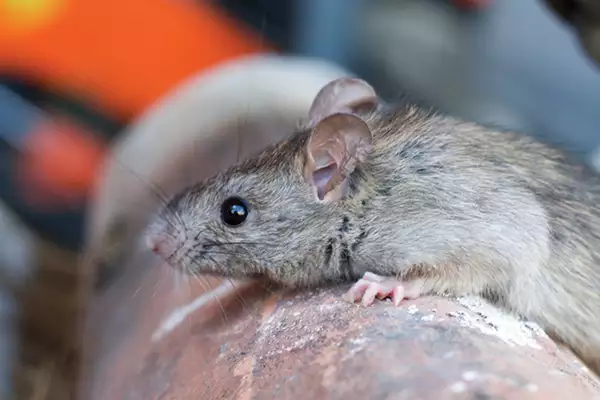
Kerala has recently been grappling with a severe Leptospirosis outbreak. The outbreak has been exacerbated by heavy monsoon rains and resultant waterlogging.
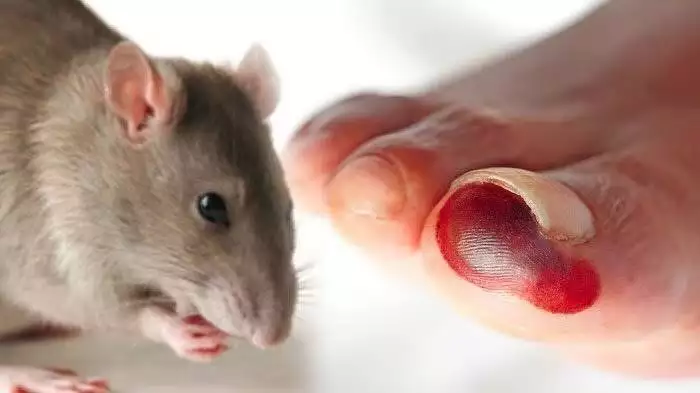
About Leptospirosis:
- Definition: Leptospirosis is an illness caused by infection with the bacteria Leptospira.
- Transmission: The bacteria enter the body through abrasions or cuts in the skin, or through the eyes, nose, or mouth.
- Zoonotic Disease: Transmitted between animals and humans, primarily through:
- Direct contact with urine or reproductive fluids from infected animals, especially rat.
- Contaminated water or soil.
- Contaminated food or water.
- Known for high mortality rates and serious health complications.
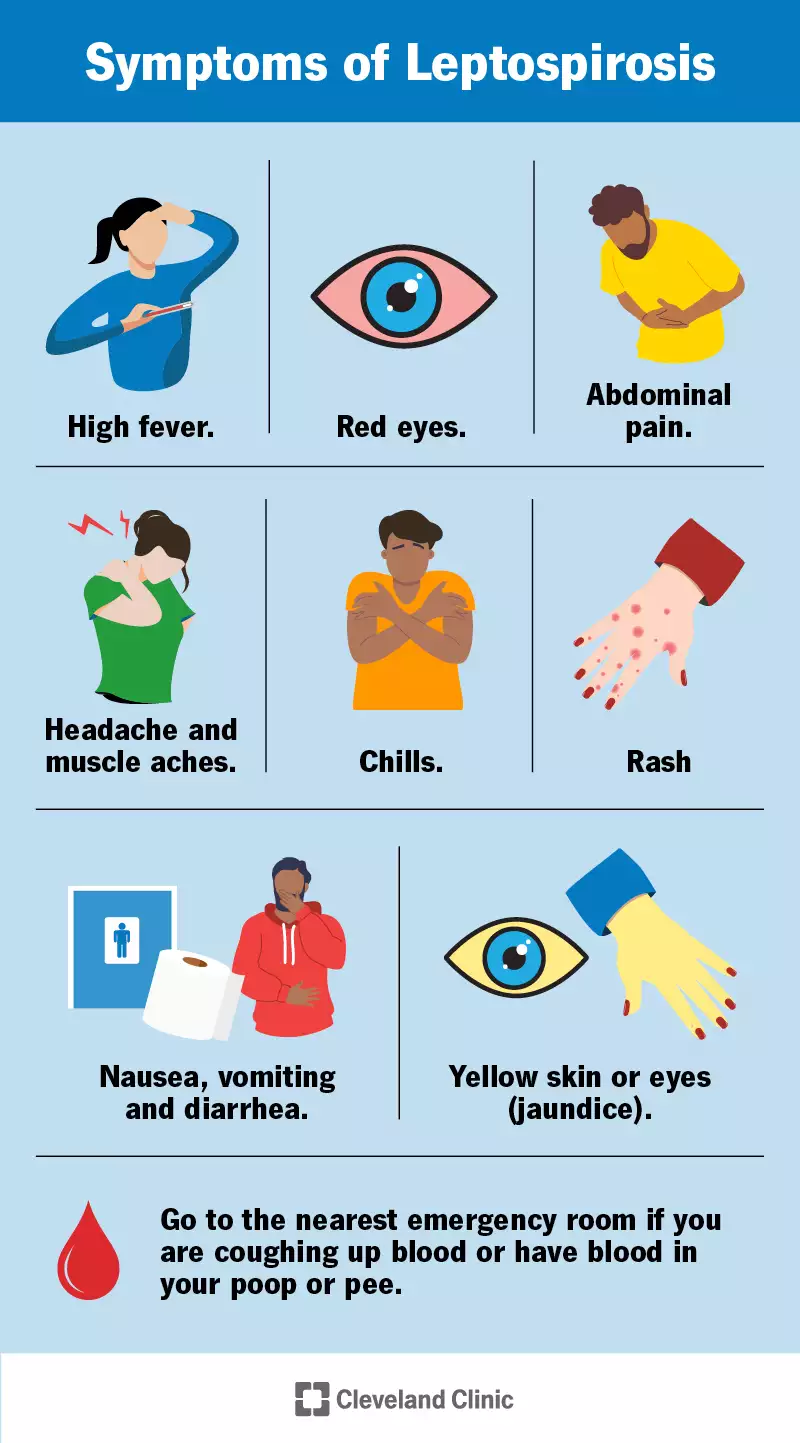
- Symptoms:
- Common: Fever, muscle pain, headaches.
- Serious: Rapid breathing, low blood pressure, jaundice.
- Prevention and Treatment:
- Preventive medication, such as doxycycline, is available at health centers.
- Antibiotics: Doxycycline, amoxicillin, ampicillin, penicillin-G and ceftriaxone.
- Mechanical Ventilation: For severe lung infections.
- Plasmapheresis: May be used to prevent organ damage by removing and replacing plasma in the blood.
Who is Most at Risk?
- Geographic Risk: Most common in tropical and warmer climates with high rainfall. Areas at risk include-
- Oceania (Australia, New Zealand, Pacific Islands)
- The Caribbean
- Sub-Saharan Africa
- Parts of Latin America
- South and Southeast Asia
Phases of Leptospirosis
- Leptospiremic Phase (Acute):
- Symptoms: Sudden onset of flu-like symptoms.
- Duration: Typically lasts between 3 and 10 days.
- Diagnostic: Presence of bacteria in the bloodstream.
- Immune Phase:
- Symptoms: Bacteria concentrate in the kidneys, leading to more severe symptoms.
- Risk: May progress to Weil’s syndrome, characterized by internal bleeding, kidney damage, and jaundice.
Contributing Factors
- Impact of Heavy Rainfall:
- Increases the risk of infection due to flooding and waterlogging.
- Poor waste management leading to increased rat populations.
- Inadequate Prevention Efforts:
- Insufficient pre-monsoon cleaning.
- Limited reach of preventive measures like doxycycline.
Government Initiatives
- Programme for Prevention and Control of Leptospirosis:
- Implemented by the Ministry of Health and Family Welfare.
- Focuses on preventive measures and public health awareness.
Ref: Source
| UPSC IAS Preparation Resources | |
| Current Affairs Analysis | Topperspedia |
| GS Shots | Simply Explained |
| Daily Flash Cards | Daily Quiz |
Frequently Asked Question:
What is Leptospirosis and how is it transmitted?
Leptospirosis is caused by the bacteria Leptospira and is transmitted through direct contact with infected animals’ fluids, contaminated water or soil, and food.
What are the common symptoms of Leptospirosis?
Common symptoms include fever, muscle pain, and headaches.
What are the serious symptoms of Leptospirosis?
Serious symptoms may include rapid breathing, low blood pressure, and jaundice.
How can Leptospirosis be prevented?
Leptospirosis can be prevented with preventive medication like doxycycline, available at health centers.
What antibiotics are used to treat Leptospirosis?
Antibiotics such as doxycycline, amoxicillin, ampicillin, penicillin-G, and ceftriaxone are commonly used to treat Leptospirosis.