









NASA-ISRO radar satellite to offer detailed insights into forests and wetlands.
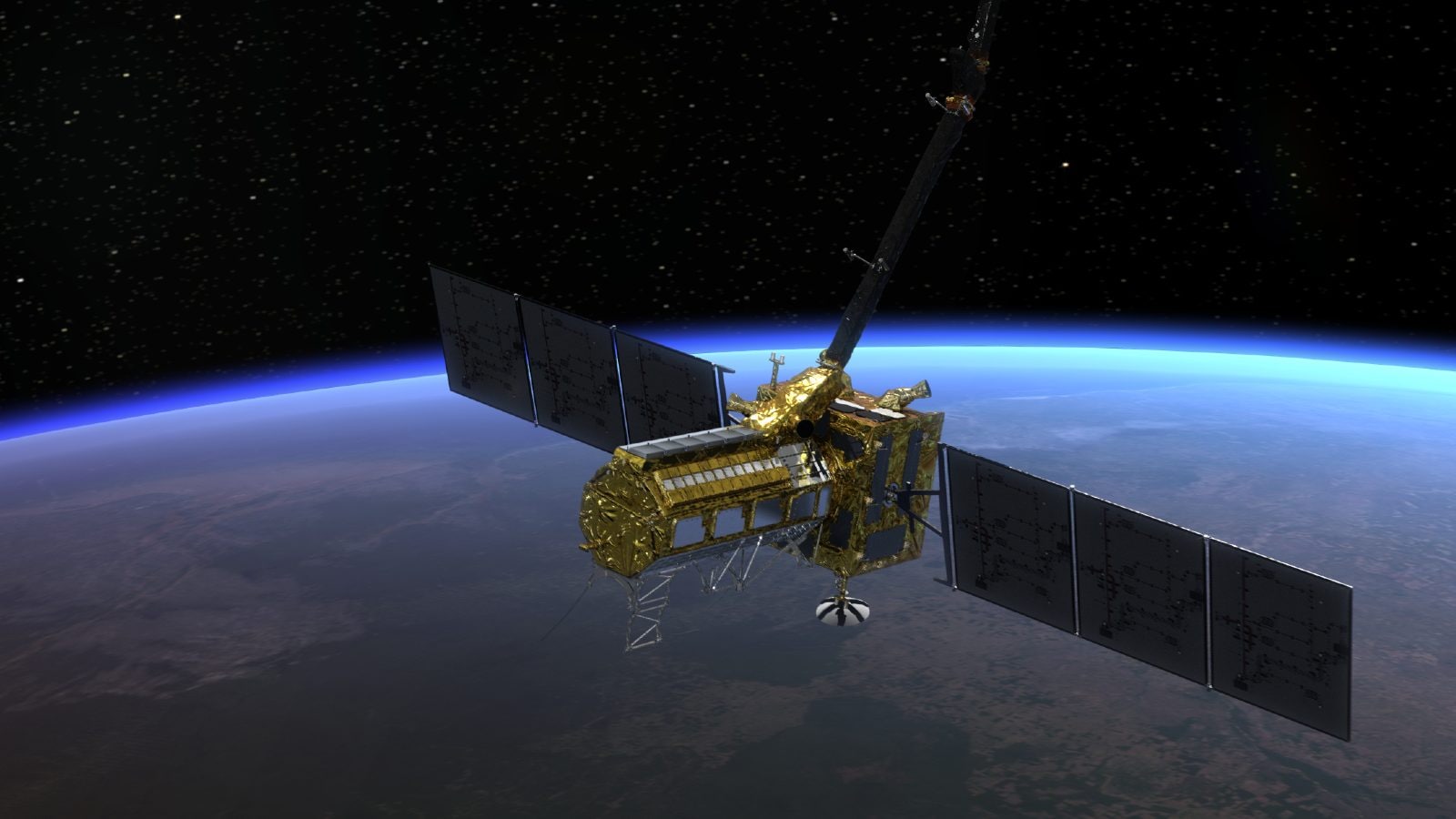
About NISAR satellite:
- The ‘NASA-ISRO Synthetic Aperture Radar’ (NISAR) is an Earth observation satellite.
- It is positioned to enable research into the impact of changes in Earth’s forest and wetlandecosystems on the global carbon cycle and their influence on climate change.
- Forests store carbon in trees, while wetlands store it in organic soil layers; any disruption can release carbon dioxide and methane into the atmosphere.
- Carbon cycle: It the processes governing the movement of carbon between the atmosphere, land, ocean, and living organisms.
- It is the result of a collaboration between the American space agency NASA and the Indian Space Research Organisation (ISRO).
- The radar technology on NISAR will provide a comprehensive view of the planet in terms of both space and time.
- It is Scheduled for launch in early 2024.
Role of NASA and ISRO:
- NASA is responsible for delivering the radar reflector antenna, deployable boom, high-rate communication subsystem for science data, GPS receivers, solid-state recorder, and payload data subsystem.
- ISRO is responsible for the spacecraft bus, S-band SAR electronics, the launch vehicle, and associated launch services and satellite mission operations.
Ref: Source
| UPSC IAS Preparation Resources | |
| Current Affairs Analysis | Topperspedia |
| GS Shots | Simply Explained |
| Daily Flash Cards | Daily Quiz |