









Recent studies, including aircraft-collected samples in the United States, have shown high variability in nitrogen oxides emission estimates from natural gas flares.
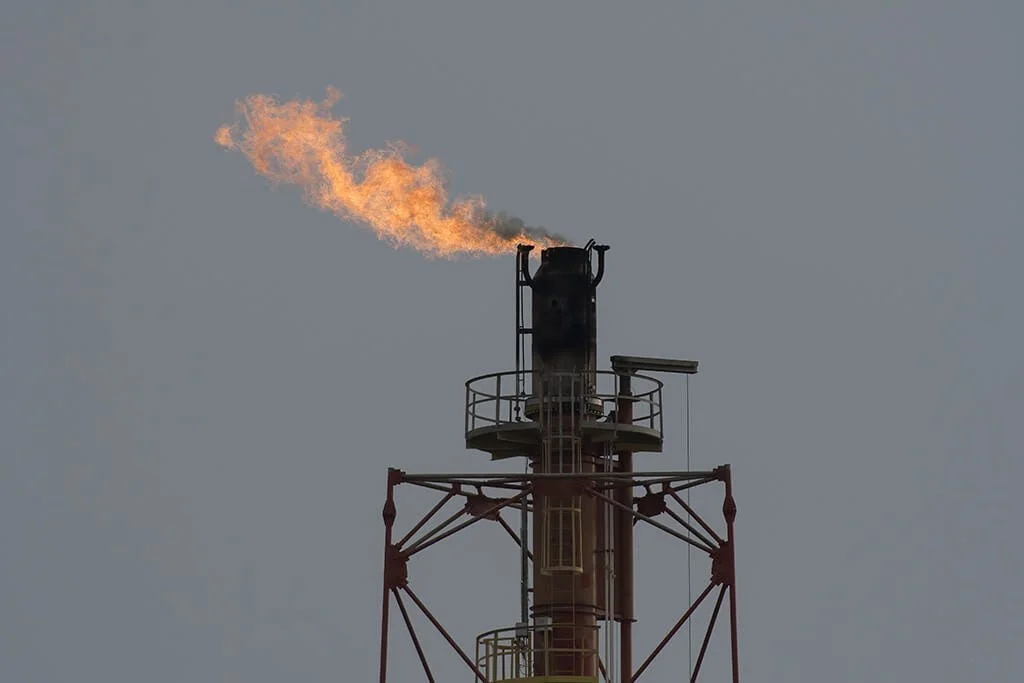
About Natural gas flaring:
- Natural gas flaring is a prevalent practice in the oil and gas industry, primarily used to dispose of the excess natural gas extracted during oil production.
- This process involves the burning of natural gas associated with oil extraction, converting hydrocarbons into carbon dioxide (CO2) and water (H2O).
- The primary objective of flaring is to reduce the climate impact of releasing methane directly into the atmosphere and to mitigate safety risks associated with the accumulation of natural gas at extraction sites.
Environmental and Health Implications
- Nitrogen oxides (NOx), such as nitric oxide (NO) and nitrogen dioxide (NO2), are significant byproducts of the natural gas flaring process.
- These gases are highly reactive and play a crucial role in the formation of ground-level ozone and fine particulate matter, both of which are detrimental to human health and the environment.
Ref: Source
| UPSC IAS Preparation Resources | |
| Current Affairs Analysis | Topperspedia |
| GS Shots | Simply Explained |
| Daily Flash Cards | Daily Quiz |