









Plastic Credit Bond (PCB) was recently launched by World Bank and Citi, to fund plastics collection and recycling projects in Ghana and Indonesia.
About Plastic Credit Bond (PCB):
- The bond is an innovative financial fund issued wherein the proceeds will fund plastics collection and recycling projects.
- It is also called Principal-Protected Plastic Waste Reduction-Linked Bond as it will fund plastic investors to receive the principal back at the end of the 7-year maturity.
- It is guaranteed by the World Bank alongside a minimum interest payment of 1.75%.
- The primary goal of this bond is to mobilize private capital for projects that yield financial returns and generate positive climate and development impacts.
- The repayments on the notes are partly determined by the sale of plastic and carbon offset credits.
- The success of the bond is measured by Plastic Waste Collection Credits, Plastic Waste Recycling Credits, and Verified Carbon Units.
Outcomes and Impacts of the Bonds:
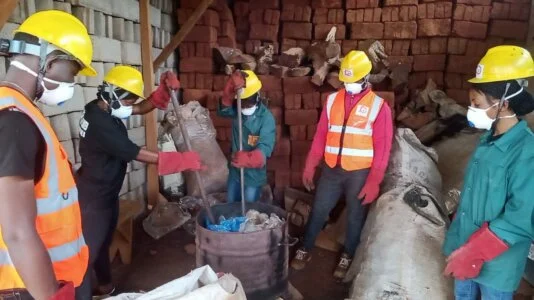
- The funds generated through the bond would enhance existing facilities, establish new collection and recycling sites, and install state-of-the-art food-grade recycling equipment.
- The infusion of about $14 million in up-front financing would increase the capacity of these projects, ensuring a more robust infrastructure for effective plastic waste management.
- Up-front financing refers to the provision of capital at the initial stages of a project, typically provided in advance to support immediate funding needs.
- The projects can decrease plastic pollution, and improve local pollution, and air quality.
- This creates employment opportunities in marginalized communities, fostering socio-economic development.
- It provides investors with a promising financial return and contributes to global efforts to curb plastic leakage into nature and oceans.
About the World Bank:
- World Bank is an international financial organization created in 1944, as a global development cooperative owned by 189 nations.
- It provides loans, guarantees, risk management products, and advisory services to middle-income and creditworthy countries for achieving Sustainable Development Goals (SDGs).
- It strives to end extreme poverty, promote shared prosperity, and provide leadership to coordinate regional and global responses to development challenges.
- The World Bank group consists of five institutions including International Development Association (IDA) and the International Bank for Reconstruction and Development (IBRD).
Ref: Source
| UPSC IAS Preparation Resources | |
| Current Affairs Analysis | Topperspedia |
| GS Shots | Simply Explained |
| Daily Flash Cards | Daily Quiz |
Frequently Asked Questions (FAQs):
What is the primary goal of the Plastic Credit Bond (PCB)?
The primary goal of the Plastic Credit Bond (PCB) is to mobilize private capital for plastics collection and recycling projects that yield financial returns and generate positive climate and development impacts.
How is the Plastic Credit Bond (PCB) structured?
The Plastic Credit Bond (PCB) is structured as a Principal-Protected Plastic Waste Reduction-Linked Bond, with investors receiving their principal back at the end of the 7-year maturity, along with a minimum interest payment guaranteed by the World Bank.
What are the expected outcomes of the funds generated through the PCB?
The funds generated through the PCB would enhance existing facilities, establish new collection and recycling sites, install state-of-the-art recycling equipment, decrease plastic pollution, improve local air quality, and create employment opportunities in marginalized communities.
What does the success of the Plastic Credit Bond (PCB) depend on?
The success of the Plastic Credit Bond (PCB) is measured by the issuance of Plastic Waste Collection Credits, Plastic Waste Recycling Credits, and Verified Carbon Units.