










The World Health Organization (WHO) recently introduced the Patient Safety Rights Charter to ensure patient safety in healthcare settings, as part of the larger Global Patient Safety (GPS) Action Plan 2021–2030, which India and other nations are committed to.
- This initiative is part of the larger Global Patient Safety (GPS) Action Plan 2021–2030, which India and other nations are committed to.
What is Patient Safety?
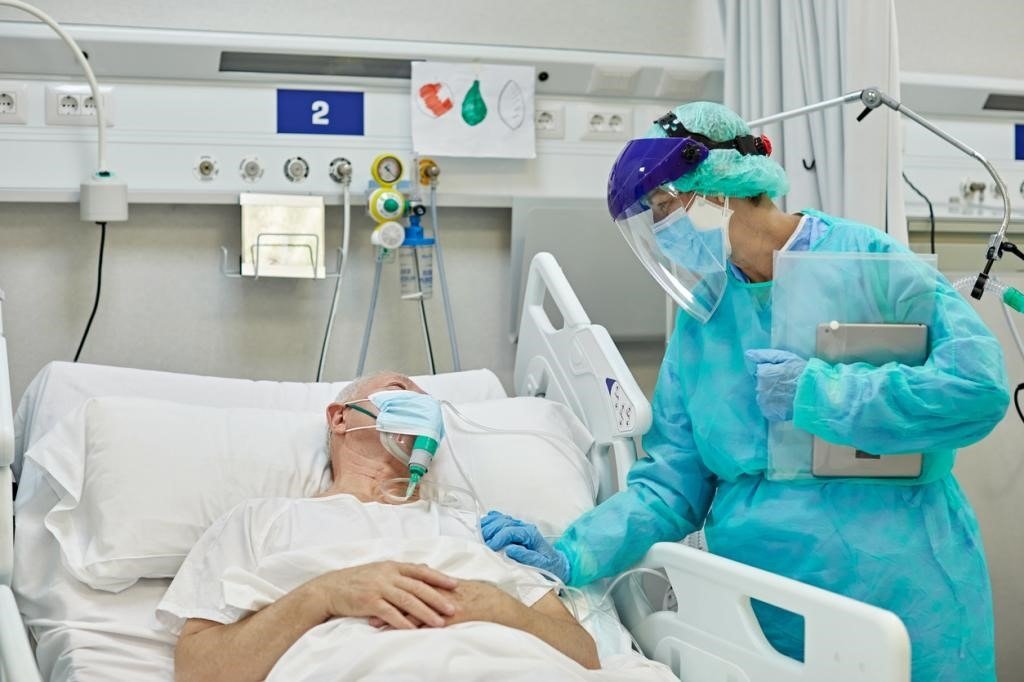
- Patient safety involves preventing harm to patients during healthcare delivery.
- This goal requires creating a culture and implementing processes to reduce risks in healthcare systems.
- Common sources of harm include medication errors, unsafe surgeries, infections, sepsis, diagnostic mistakes, patient misidentification, unsafe blood transfusions, and falls.
- Statistically, 1 in 10 patients is harmed during healthcare, leading to over 3 million deaths each year.
- More than 50% of these incidents are preventable, showing that there’s room for improvement in patient safety practices.
Factors Leading to Patient Harm:
- Patient harm can result from various factors, such as system failures, organizational issues, human errors, and patient-related conditions.
- These factors indicate that patient safety requires a comprehensive approach to address multiple risks.
Key Elements of the Patient Safety Rights Charter:
The Patient Safety Rights Charter outlines essential patient rights in healthcare services, providing a guide for governments and stakeholders.
Here are the 10 fundamental patient rights detailed in the charter:
- Right to timely, effective, and appropriate care.
- Right to safe healthcare processes and practices.
- Right to qualified and competent health workers.
- Right to safe medical products and their safe use.
- Right to safe and secure healthcare facilities.
- Right to dignity, respect, non-discrimination, privacy, and confidentiality.
- Right to information, education, and supported decision-making.
- Right to access medical records.
- Right to be heard and receive fair resolution.
- Right to patient and family engagement.
Importance of the Charter:
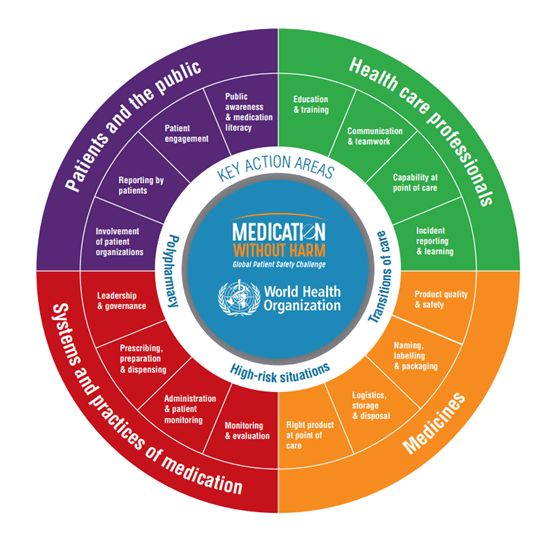
- The Patient Safety Rights Charter is crucial because it addresses the alarming statistics of patient harm.
- By engaging patients and their families, healthcare systems can reduce harm, improve outcomes, and restore community trust.
- This charter underlines the importance of listening to patients’ concerns and involving them in safety processes.
Ref:Source
| UPSC IAS Preparation Resources | |
| Current Affairs Analysis | Topperspedia |
| GS Shots | Simply Explained |
| Daily Flash Cards | Daily Quiz |