









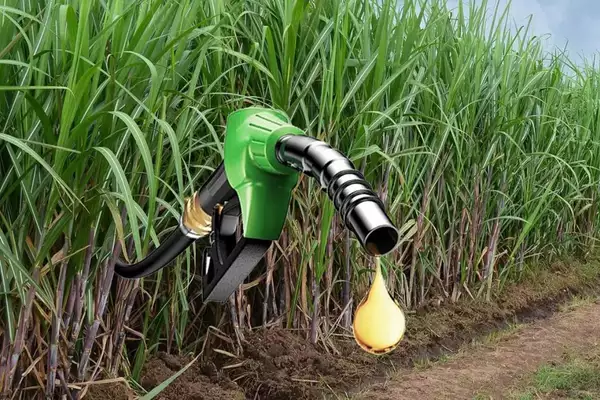
The Union Cabinet has recently approved a modified version of the PM JI-VAN Yojana, aiming to boost investments in the biofuel sector and align with the latest advancements in biofuel technology.
Key Changes:
- Extension of Implementation Timeline: The scheme’s duration has been extended by five years, now running until 2028-29.
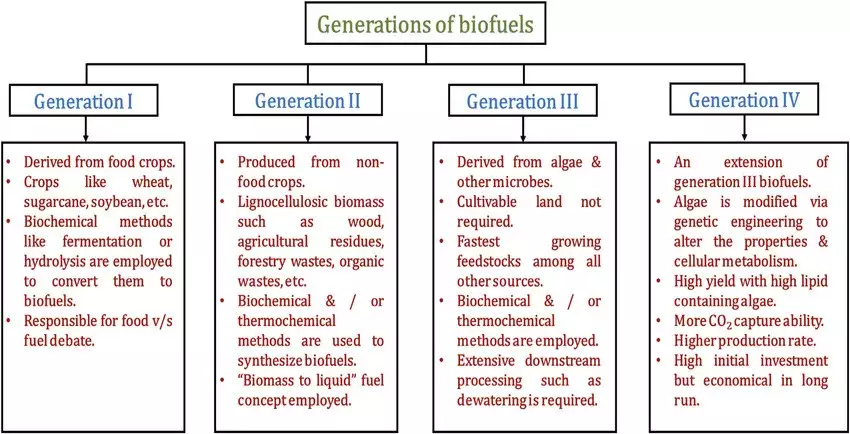
- Scope Expansion: Inclusion of advanced biofuels from lignocellulosic feedstocks such as agricultural residues, forestry waste, industrial by-products, and algae.
- Eligibility: Addition of “Bolt-on” plants and “Brownfield projects” to leverage existing infrastructure and improve project viability.
- Preference: Focus on proposals featuring new technologies and innovative approaches in biofuel production.
About the PM JI-VAN Yojana:
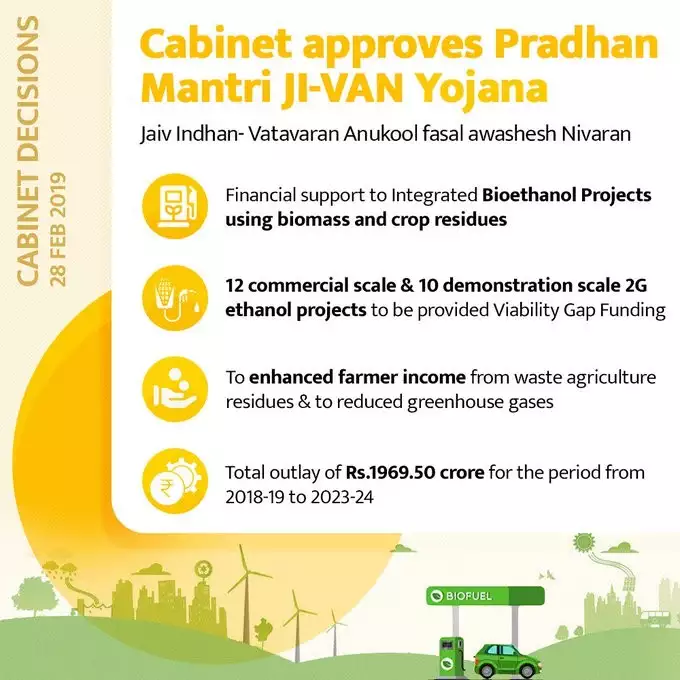
- Aim: To provide financial assistance for developing 2nd Generation (2G) ethanol from surplus biomass and agricultural waste.
- Launched in: 2019.
- Full form: Pradhan Mantri Jaiv Indhan – Vatavaran Anukool Fasal Awashesh Nivaran Yojana
Objectives:
- Income Support: Provide remunerative income to farmers for agricultural residues.
- Environmental Impact: Address pollution issues by promoting sustainable biofuel options.
- Employment Generation: Create local job opportunities through biofuel projects.
- Energy Security: Enhance India’s energy security and self-reliance.
- Net-Zero Targets: Contribute to India’s goal of achieving net-zero greenhouse gas emissions by 2070.
- Support for Make in India: Promote indigenous development and manufacturing capabilities.
Current Initiatives and Targets:
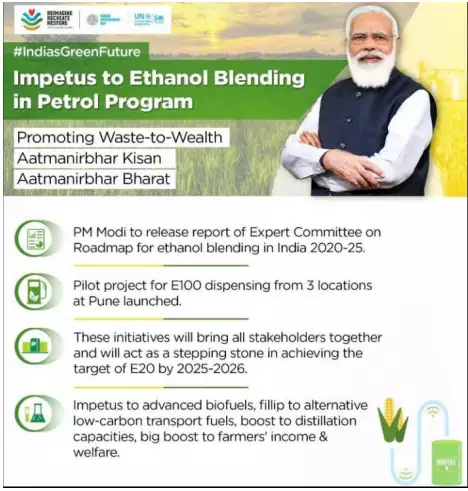
- Ethanol Blending: The blending of ethanol with petrol has increased significantly, from 38 crore liters in 2013-14 to over 500 crore liters in 2022-23.
- Blending Percentage: The blending percentage reached 15.83% in July 2024 and is expected to surpass 13% for the ongoing Ethanol Supply Year (ESY) 2023-24.
- Future Targets: Aim to achieve a 20% blending target by the end of ESY 2025-26, requiring over 1,100 crore liters of ethanol.
Ref: Source
| UPSC IAS Preparation Resources | |
| Current Affairs Analysis | Topperspedia |
| GS Shots | Simply Explained |
| Daily Flash Cards | Daily Quiz |
Frequently Asked Question:
What are the key changes in the enhanced PM JI-VAN Yojana for biofuels?
The key changes include extension of implementation timeline, scope expansion to include advanced biofuels, eligibility for bolt-on plants and brownfield projects, and preference for new technologies in biofuel production.
What is the duration of the modified PM JI-VAN Yojana?
The scheme’s duration has been extended by five years, now running until 2028-29.
What is the aim of the PM JI-VAN Yojana?
The aim of the Pradhan Mantri JI-VAN Yojana is to provide financial assistance for developing 2nd Generation (2G) ethanol from surplus biomass and agricultural waste.
What types of feedstocks are included in the scope expansion of the scheme?
The scope expansion includes advanced biofuels from lignocellulosic feedstocks such as agricultural residues, forestry waste, industrial by-products, and algae.
What types of projects are now eligible for the scheme?
“Bolt-on” plants and “Brownfield projects” are now eligible for the scheme, allowing for the leveraging of existing infrastructure and improving project viability.