









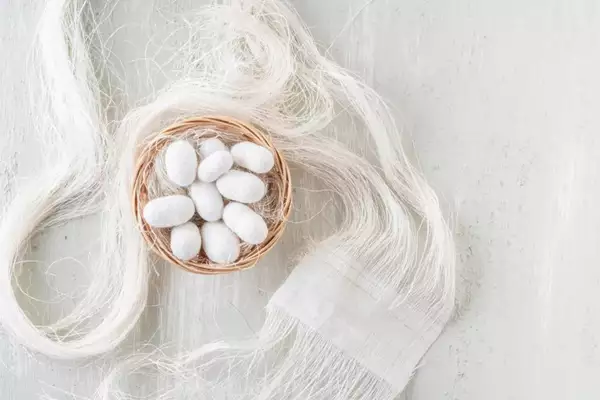
The North Eastern Handicrafts and Handlooms Development Corporation (NEHHDC) recently obtained the prestigious Oeko-Tex certification for its Eri Silk.
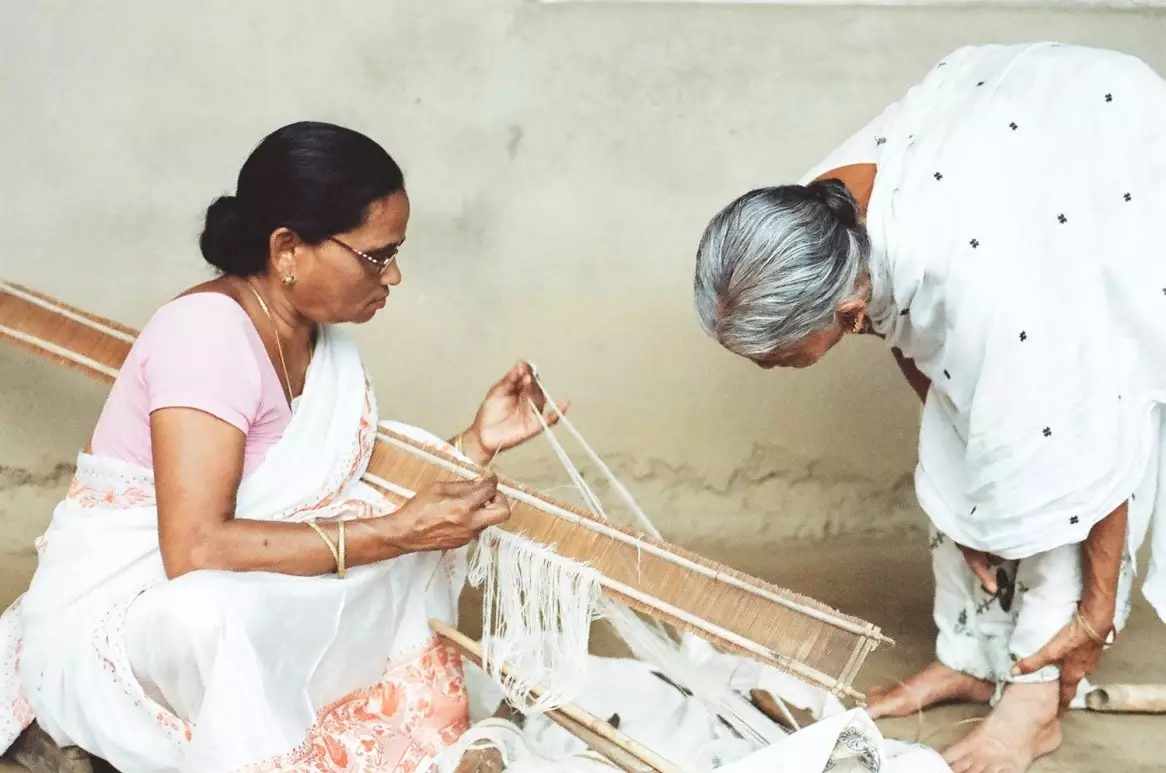
About Oeko-Tex certification:
- Oeko-Tex Certification is a globally recognized standard for textiles, ensuring that products meet stringent criteria for safety and environmental impact.
- It aims to verify that textiles are free from harmful substances and produced in environmentally friendly conditions.
- It ensures that products are safe for human use and have minimal impact on the environment.
- The certification is based on a set of standards, the most prominent being the Oeko-Tex Standard 100.
- This standard assesses textiles for harmful substances, including pesticides, heavy metals, and allergens, ensuring that products meet safety requirements for human health.
- Products undergo rigorous testing by independent, accredited laboratories to check for residues of harmful chemicals and compliance with environmental and safety standards.
Certification Levels:
- Oeko-Tex Standard 100: Applies to textile products at all stages of production, from raw materials to finished goods. It certifies that the products are free from harmful levels of over 100 substances.
- Oeko-Tex Standard 1000: Focuses on sustainable production practices and requires adherence to specific environmental and social criteria.
- Oeko-Tex Standard 100+: An enhanced version of Standard 100 with additional criteria for ensuring even higher levels of sustainability.
About Eri Silk:
- Eri Silk, also known as Philosamia ricini silk, is a unique and eco-friendly textile produced primarily in Northeast India, particularly in Assam.
- Eri Silk is harvested from the cocoons of the Philosamia ricini moth, which feeds on the castor oil plant.
- Unlike other silks, the production process of Eri Silk does not involve killing the moth.
- After the moth emerges from the cocoon, the empty cocoon is collected. This method, known as “Ahimsa” or “non-violent” silk production.
- It ensures that the life cycle of the moth is respected, making Eri Silk a vegan alternative to traditional silk.
- Eri Silk is used to create a variety of products, sarees, shawls, and home textiles.
Characteristics
- Texture: Eri Silk has a unique, textured surface that is somewhat coarse compared to other silks. It is known for its warmth and durability.
- Appearance: The fabric has a natural sheen and can range in color from off-white to golden. It often has a slightly irregular, organic look due to the manual production process.
- Breathability: Eri Silk is highly breathable, making it suitable for both warm and cool climates.
- Eco-Friendly: The production of Eri Silk is less resource-intensive compared to conventional silk. It does not require the killing of moths and uses natural plant-based feed.
- Sustainability: The process of making Eri Silk involves traditional methods that are environmentally sustainable. The cultivation of the castor plant also contributes to soil health.
- Geographical Indication (GI): Eri Silk has been recognized as a GI product of Assam, which highlights its authenticity and regional significance.
Ref: Source
| UPSC IAS Preparation Resources | |
| Current Affairs Analysis | Topperspedia |
| GS Shots | Simply Explained |
| Daily Flash Cards | Daily Quiz |
Frequently Asked Question:
What is Eri Silk?
Eri Silk is a distinctive and eco-friendly textile primarily produced in Northeast India, especially in Assam. It is harvested from the cocoons of the Philosamia ricini moth.
How is Eri Silk produced?
Eri Silk is produced through a process that does not involve killing the moth. After the moth emerges from the cocoon, the empty cocoon is collected. This method, known as “Ahimsa” or “non-violent” silk production, respects the life cycle of the moth.
Why is Eri Silk considered a vegan alternative?
Eri Silk is considered vegan because the production process allows the moth to complete its life cycle before the cocoon is harvested.