









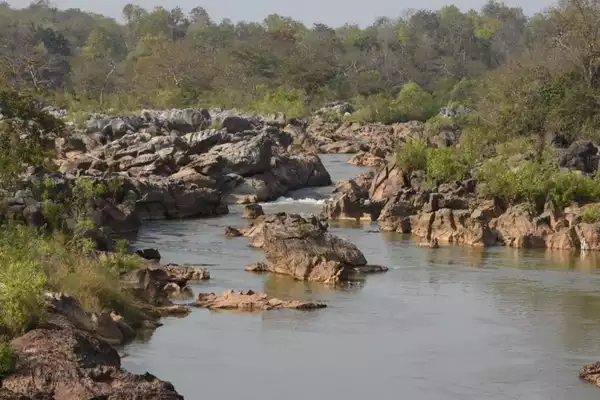
Biodiversity Heritage Site status has been granted to Gupteswar Forest in Odisha’s Koraput district, adjacent to the Gupteswar Shiva temple.
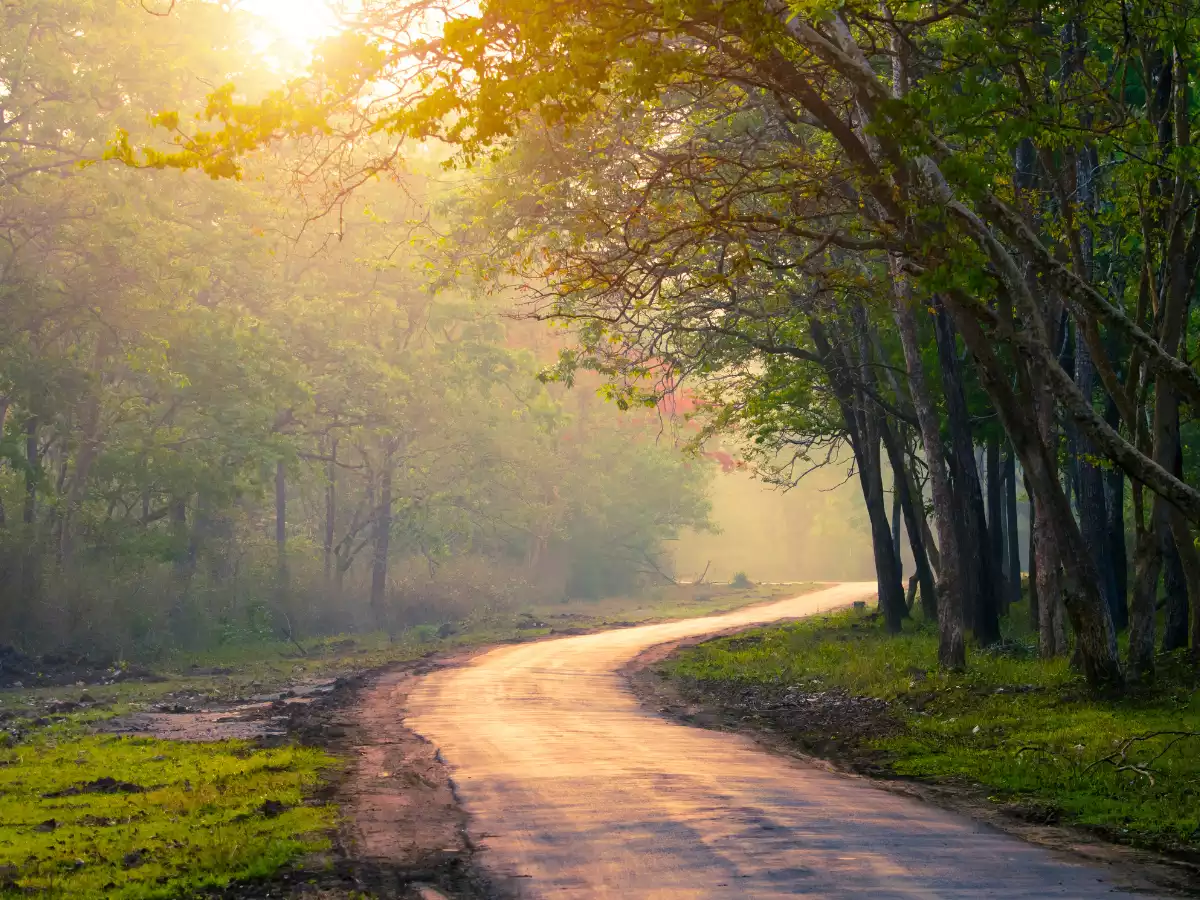
About Gupteswar Forest:
- It is adjacent to the Gupteswar Shiva temple in the Dhondrakhol reserve forest.
- It has sacred grooves traditionally worshipped by the local community.
Fauna
- It has 608 faunal species including 28 species of mammals, 188 species of birds, 18 species of amphibia, 48 species of reptiles, 45 species of Pisces, 141 species of butterflies, 43 species of moths, 30 species of spiders, six species of scorpion, and 20 species of lower invertebrates.
- Significant faunal species: mugger, kanger valley rock gecko, sacred grove bush frog, and avifauna like black baza, Jerdon’s baza, Malabar trogon, common hill myna, white-bellied woodpecker, and banded bay cuckoo have also been documented.
Fauna
- It has a rich floral diversity, including 182 species of trees, 76 species of shrubs, 177 species of herbs, 69 species of climbers, and 14 species of orchids.
- Significant flora: Indian trumpet tree, Indian snakeroot, Cumbi gum tree, garlic pear tree, Chinese fever vine, Rohituka tree, Jodpakli, Indian jointfir, a number of wild crop relatives of ginger and turmeric
What is Biodiversity Heritage Sites (BHS)?
- Biodiversity Heritage Sites (BHS) are well-defined areas that are unique, ecologically fragile ecosystems.
- BHSs can be terrestrial, coastal, marine, or inland waters.
- Components of biodiversity may include:
- Richness of wild and domesticated species or intra-specific categories.
- High endemism.
- Presence of rare and threatened species.
- Keystone species.
- Species of evolutionary significance.
- Wild ancestors of domestic/cultivated species or their varieties.
- Fossil beds representing past pre-eminence of biological components.
- State Government, in consultation with local bodies, may notify areas of biodiversity importance as Biodiversity Heritage Sites (BHS) under Section 37 of the Biological Diversity Act, 2002 (BDA).
- State Government, in consultation with the Central Government, may frame rules for the management and conservation of BHS under sub-section (2) of Section 37.
- State Governments are mandated to frame schemes for compensating or rehabilitating any person or section of people economically affected by the notification of BHS under sub-section (3) of Section 37.
- The National Biodiversity Authority (NBA) issues guidelines for the selection and management of BHS, considering the provisions of the Biological Diversity Act, 2002 (BDA).
Ref: Source
| UPSC IAS Preparation Resources | |
| Current Affairs Analysis | Topperspedia |
| GS Shots | Simply Explained |
| Daily Flash Cards | Daily Quiz |