









A study reveals the decline in atmospheric concentrations of hydrochlorofluorocarbons (HCFCs), which are potent ozone-depleting substances.
Key Highlights of the Study:
- Impact on Climate and Ozone: Since 2021, global emissions of HCFCs have decreased, positively affecting both Earth’s climate and the ozone layer.
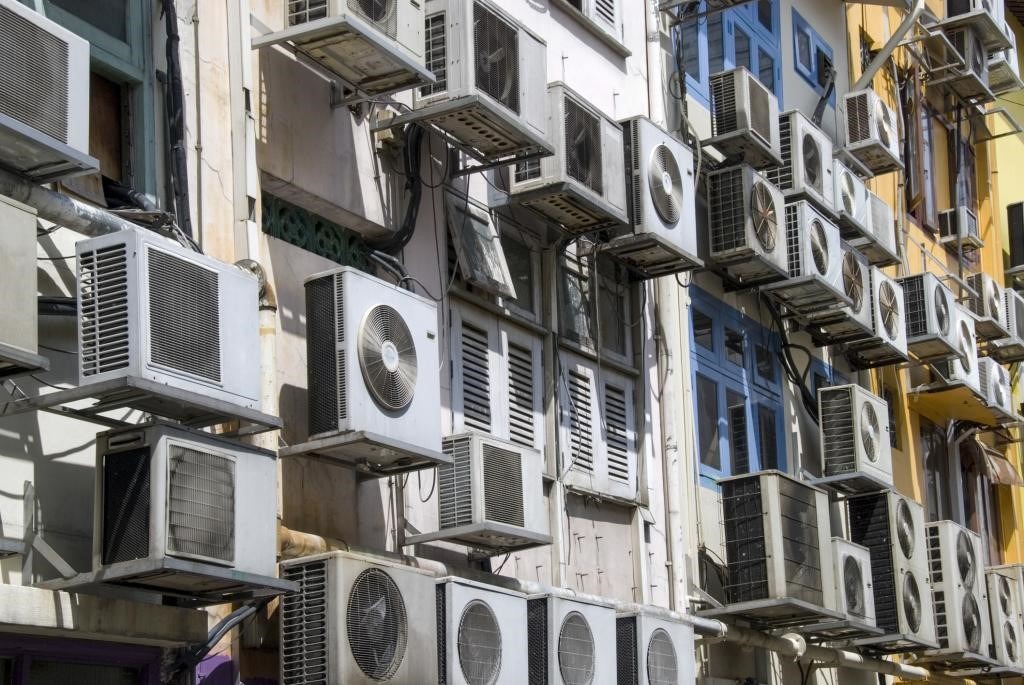
- HCFC-22 Drop: This commonly used HCFC, which has a Global Warming Potential many times that of CO2, has seen a significant reduction. It is primarily used in air conditioning and refrigeration systems.
- HCFC-141b Phase-Out in India: There have been minor reductions in HCFC-141b, with India achieving a complete phase-out as per the ODS Amendment Rules of 2014.
- Future Projections: By 2082 and 2087, radiative forcing and chlorine levels are expected to return to their 1980 levels, showing long-term environmental recovery.
- Role of the Montreal Protocol: This international agreement is credited with substantial reductions in HCFC emissions, contributing to global environmental recovery efforts.
| UPSC IAS Preparation Resources | |
| Current Affairs Analysis | Topperspedia |
| GS Shots | Simply Explained |
| Daily Flash Cards | Daily Quiz |