









The management of plastic waste involves several processes aimed at reducing, recycling, and properly disposing of plastic materials to minimize environmental impact. While these initiatives demonstrate India’s commitment to combatting plastic pollution, challenges remain in implementing and enforcing these measures effectively. Continued efforts and collaborations are necessary at both national and state levels to achieve significant progress in addressing the challenges posed by single-use plastics and promoting sustainable practices. In this article, you will know about the need, provisions and challenges for Plastic Waste Management, especially in India. To explore more interesting UPSC Polity topics of GS Paper -3 like Plastic Waste Management, check out other articles and IAS Notes of IASToppers.
Table of Content
- What are Plastics?
- Impact of Plastic
- Issues associated with Plastic Waste in India
- What is Plastic Waste Management?
- Global Initiatives for Plastic waste management
- Indian Initiatives for Plastic waste management
- Way Forward
What Are Plastics?
- Plastics are synthetic materials made from polymers, which are large molecules composed of repeating subunits.
- They are known for their versatility, durability, and lightweight properties, making them useful in a wide range of applications, from packaging to construction to electronics.
Types of Plastics
Thermoplastics:
- Polyethylene (PE): Common in plastic bags and bottles.
- Polypropylene (PP): Used in packaging, textiles, and automotive parts.
- Polyvinyl Chloride (PVC): Found in pipes, flooring, and medical devices.
- Polystyrene (PS): Used for disposable cutlery, CD cases, and insulation.
Thermosetting Plastics:
- Epoxy Resins: Used in coatings, adhesives, and composite materials.
- Phenolic Resins: Found in electrical insulators and kitchenware.
- Polyurethane (PU): Used in foams, elastomers, and coatings.
Biodegradable Plastics:
- Polylactic Acid (PLA): Made from renewable resources like corn starch.
- Polyhydroxyalkanoates (PHA): Produced by microorganisms and used in packaging and medical applications.
Specialty Plastics:
- Acrylic (PMMA): Known for clarity and used in lenses and displays.
- Nylon: Used in textiles, automotive, and industrial applications.
- Teflon (PTFE): Known for its non-stick properties and used in cookware and industrial applications.
Applications
- Packaging: Bottles, containers, films.
- Construction: Pipes, insulation, windows.
- Electronics: Casings, circuit boards.
- Automotive: Interior components, bumpers.
- Medical: Syringes, prosthetics.
Impacts of Plastics
Environmental Impacts
- Pollution: Plastics contribute significantly to land and ocean pollution. They can take hundreds to thousands of years to decompose, leading to long-term environmental damage.
- Wildlife Harm: Marine and terrestrial animals often ingest plastics or get entangled in them, leading to injuries, fatalities, and disruptions in ecosystems.
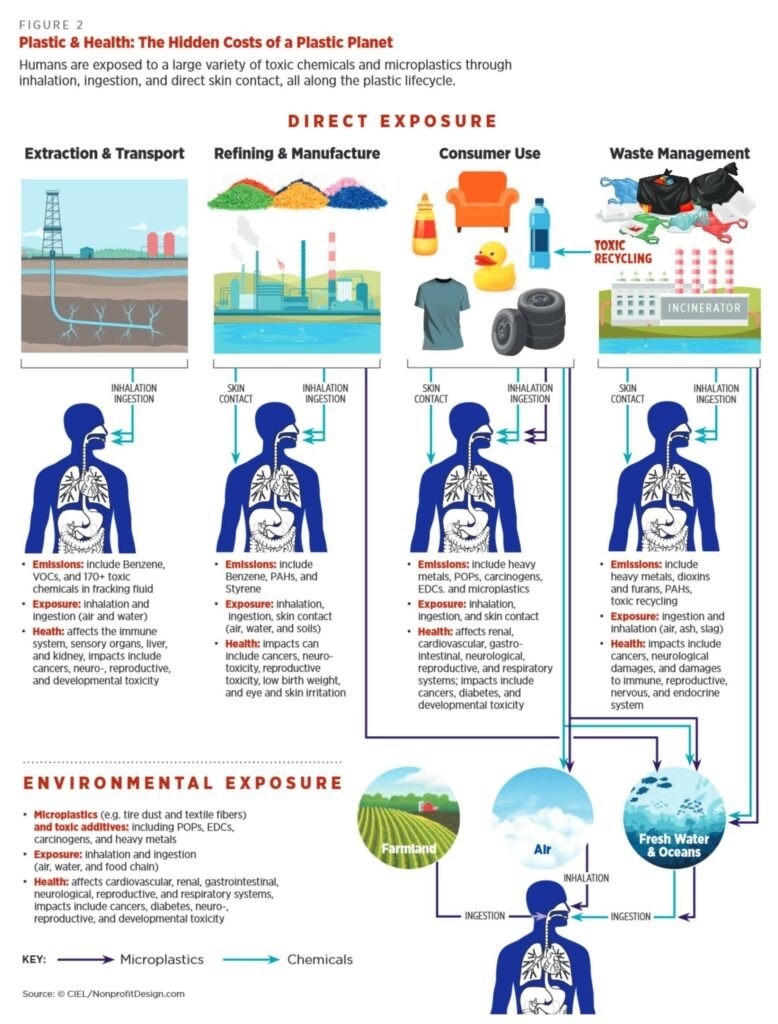
- Microplastics: These tiny plastic particles result from the breakdown of larger plastics and contaminate water, soil, and air, entering the food chain and potentially affecting human health.
Health Impacts
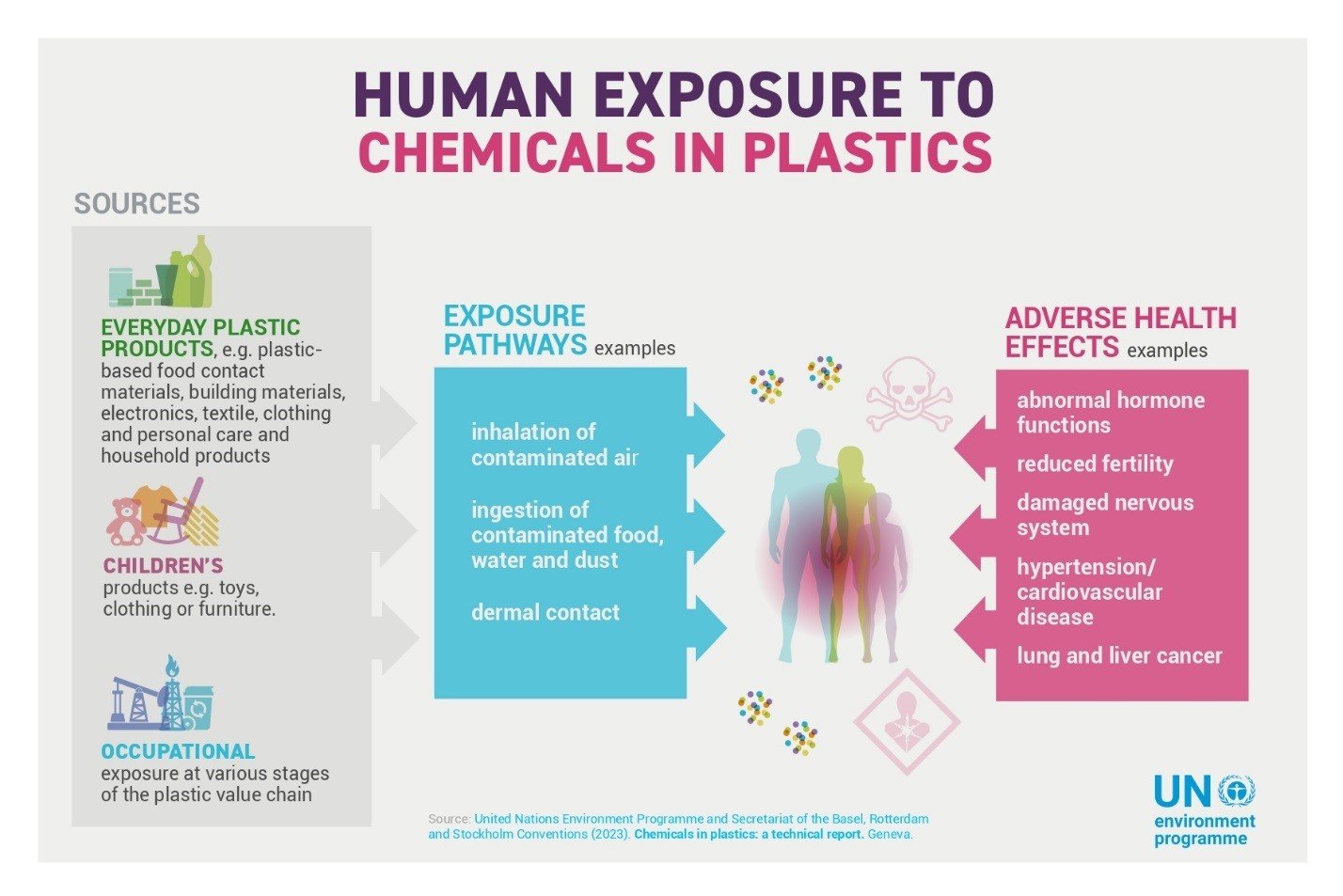
- Chemical Exposure: Plastics contain harmful chemicals like BPA and phthalates, which can leach into food and beverages, posing health risks such as hormonal disruptions and cancer.
- Air Quality: The production and incineration of plastics release toxic substances and greenhouse gases, contributing to air pollution and climate change.
Economic Impacts
- Waste Management Costs: The disposal and recycling of plastics incur significant costs for municipalities and taxpayers.
- Marine Industry: The fishing and tourism industries suffer economic losses due to plastic pollution, which affects marine life and beach aesthetics.
Social Impacts
- Community Health: Communities near plastic manufacturing plants and waste disposal sites face increased health risks due to exposure to pollutants.
- Waste Scavengers: Informal waste workers in developing countries often handle plastic waste without proper protection, risking their health and safety.
Issues Associated with Plastic Waste in India
- Environmental Pollution:
- Land Pollution: Accumulation of plastic waste in landfills leads to soil contamination.
- Water Pollution: Plastics pollute rivers, lakes, and oceans, harming aquatic life and ecosystems.
- Air Pollution: Burning plastic waste releases toxic fumes, contributing to air pollution and health issues.
- Health Hazards:
- Chemical Exposure: Plastics leach harmful chemicals into food and water, posing health risks like cancer and endocrine disruption.
- Microplastics: These tiny particles can enter the food chain, affecting human health.
- Economic Burden:
- Waste Management Costs: High costs associated with the collection, transportation, and disposal of plastic waste.
- Impact on Tourism: Plastic litter affects the aesthetic appeal of tourist destinations, leading to economic losses.
- Wildlife Threats:
- Ingestion and Entanglement: Wildlife, particularly marine animals, ingest or get entangled in plastic debris, leading to injury or death.
- Inadequate Recycling Infrastructure:
- Low Recycling Rates: Lack of efficient recycling systems and facilities results in a high percentage of plastic waste being improperly disposed of.
- Legislative and Policy Gaps:
- Insufficient Regulation: Inadequate enforcement of existing laws and policies to manage plastic waste effectively.
Mitigation Strategies
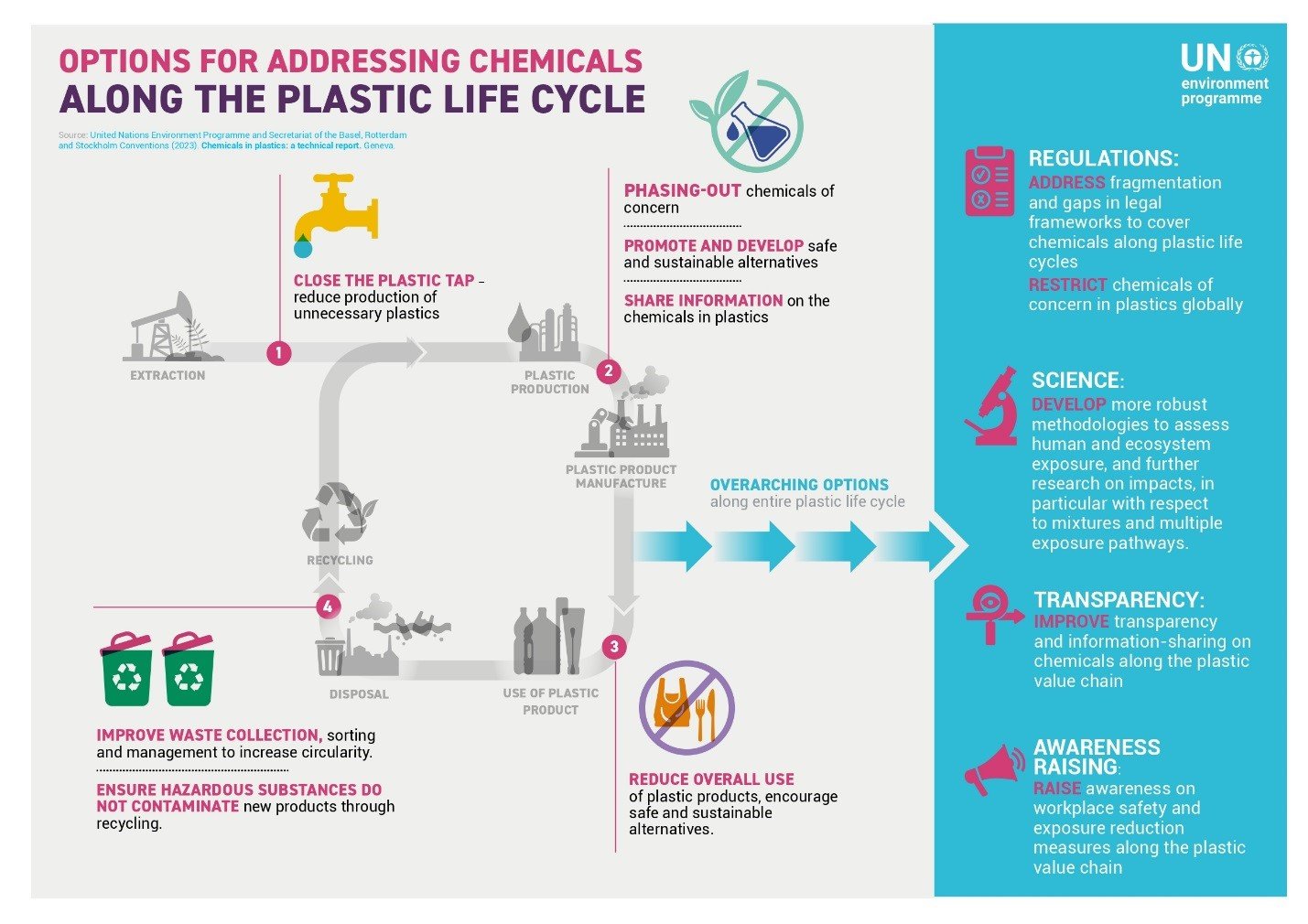
- Enhanced Recycling: Improve infrastructure and technologies for recycling plastics.
- Public Awareness: Educate citizens on the impacts of plastic waste and encourage responsible consumption.
- Policy Implementation: Enforce strict regulations on plastic use and disposal, including bans on single-use plastics.
What is Plastic Waste Management?
- The management of plastic waste involves several processes aimed at reducing, recycling, and properly disposing of plastic materials to minimize environmental impact.
- Collection: Plastic waste is collected from sources, including households, businesses, industries, and public spaces, which may vary depending on the area and the infrastructure available.
- Sorting and Segregation: Once collected, plastic waste is sorted and segregated based on its type, color, and composition, as it is essential for effective recycling and proper disposal.
- Recycling: After sorting, it is sent to recycling facilities involving shredding or granulating, melting or extruding it into pellets, and then molding the pellets into new products.
- Commonly recycled plastics include PET (polyethylene terephthalate), HDPE (high-density polyethylene), PVC (polyvinyl chloride), and PP (polypropylene).
- Reprocessing: Some plastic waste undergo further reprocessing to produce raw materials for manufacturing new plastic products through additional refining or purification steps.
- Energy Recovery: In cases where recycling is not feasible or cost-effective, plastic waste may be converted into energy through processes such as incineration or pyrolysis.
- These methods generate heat or electricity by burning or heating the plastic waste, which can be used to power industrial processes or generate electricity for homes and businesses.
- Landfill Disposal: As a last resort, plastic waste that cannot be recycled or recovered for energy may be disposed of in landfills by compaction, covering, and leachate collection.
- Public Awareness: About the importance of reducing plastic consumption, proper waste segregation, recycling, and supporting initiatives to minimize plastic pollution.
Global Initiatives for Plastic Waste Management
United Nations Environment Programme (UNEP)
- Clean Seas Campaign: Aims to engage governments, the public, and the private sector in reducing marine litter.
- Plastic Waste Partnership: Facilitates improved global cooperation on plastic waste management and policies.
European Union
- Single-Use Plastics Directive: Bans single-use plastic items like straws and cutlery, and sets targets for plastic bottle recycling.
- Circular Economy Action Plan: Focuses on reducing plastic waste through sustainable product design and promoting recycling.
United States
- Break Free from Plastic Pollution Act: Proposes nationwide extended producer responsibility, reducing single-use plastics, and improving recycling infrastructure.
- Marine Debris Act: Supports efforts to address marine litter through prevention and removal projects.
Japan
- Plastic Resource Circulation Strategy: Aims for a 25% reduction in single-use plastics and a 60% recycling rate for plastic packaging by 2030.
India
- Extended Producer Responsibility (EPR): Mandates producers to manage plastic waste through recycling and sustainable disposal mechanisms.
Australia
- National Plastics Plan: Targets phasing out problematic plastics, increasing recycled content, and enhancing recycling systems.
Corporate and NGO Initiatives
- The Ocean Cleanup: Develops technology to remove plastic from oceans and rivers.
- Ellen MacArthur Foundation: Promotes a circular economy for plastics, focusing on recycling and sustainable design.
Initiatives by India
Plastic Waste Management (PWM) Rules, 2016 – Key Regulations
- These rules aim to enhance plastic waste management, promote recycling, and reduce environmental pollution.
- Applicability: Targets waste generators, local bodies, gram panchayats, manufacturers, importers, producers, and brand owners.
- Carry Bag Thickness: Minimum 50 microns for virgin or recycled plastic bags, with specific standards for compostable bags.
- Waste Segregation: Mandatory for all waste generators, with user fees and fines for non-compliance.
- Plastic Waste Utilization: Encourages use in road construction, energy recovery, waste-to-oil conversion, and cement kiln co-processing.
- Role of Gram Panchayats: Manage waste in rural areas, ensure segregation, collection, and prevent open burning.
- Producer Responsibilities: Establish waste collection systems within two years.
- Enforcement: Handled by SPCBs/PCCs, urban development departments, and gram panchayats.
- District Authorities: Provide assistance for rule enforcement.
Other Initiatives:
- Project REPLAN: Initiated by the Khadi and Village Industries Commission (KVIC), aims to reduce the consumption of plastic bags by providing a more sustainable alternative.
- Ban on Single-Use Plastics: Many states implemented bans on the production, use, and sale of single-use plastics such as bags, cups, plates, cutlery, and straws.
- National Dashboard on Elimination of Single-Use Plastic: To raise awareness and empower citizens to address the plastic menace and a mobile app for Single-Use Plastics Grievance Redressal.
- State-Level Initiatives in the Indian Himalayan Region
- Himachal Pradesh has a buy-back policy for non-recyclable and single-use plastic waste.
- Sikkim has banned the use of packaged mineral water and has established a regulatory system.
- Mizoram and Tripura have enacted laws and established regulatory frameworks to address single-use plastics.
Way Forward
The ten-step roadmap outlined by UN Environment provides a comprehensive guide for governments looking to address the issue of single-use plastics.
- Identify Problematic Plastics: Conduct a baseline assessment to identify the most problematic single-use plastics and understand the extent of their mismanagement.
- Consider Action Options: Evaluate different actions (regulatory, economic, awareness, voluntary) based on the country’s socio-economic context and their effectiveness in addressing identified problems.
- Assess Impacts: Evaluate the social, economic, and environmental impacts of proposed actions, considering effects on various sectors and vulnerable populations.
- Engage Stakeholders: Involve key stakeholders such as retailers, consumers, industry representatives, and civil society to ensure broad support and address opposition.
- Raise Public Awareness: Educate the public about the harmful effects of single-use plastics and explain the rationale behind proposed measures.
- Promote Alternatives: Assess and promote eco-friendly alternatives to single-use plastics, providing incentives for their adoption and supporting research and development.
- Provide Incentives to Industry: Offer tax rebates or other incentives to encourage the transition away from single-use plastics, while allowing the industry time to adapt.
- Utilize Revenue: Use revenues from taxes or levies on single-use plastics to fund environmental projects, boost recycling efforts, and create jobs in recycling sectors.
- Enforce Measures: Ensure effective enforcement of chosen measures by clearly defining roles and responsibilities.
- Monitor and Adjust: Continuously monitor the effectiveness of measures and make adjustments as needed, while keeping the public informed of progress.
Additionally, the adoption of a circular economy approach can complement efforts to reduce single-use plastics by minimizing waste and maximizing the value of products and materials.
conclusion
effective plastic waste management is imperative for environmental sustainability and human health. To address this issue, a multifaceted approach involving policy interventions, public awareness campaigns, technological innovations, and stakeholder collaborations is necessary. Governments must enforce strict regulations on plastic production, usage, and disposal, while promoting alternatives and recycling initiatives. Simultaneously, individuals must adopt responsible consumption habits and participate actively in waste reduction and recycling efforts. Only through concerted action can we mitigate the detrimental effects of plastic pollution and pave the way for a cleaner and healthier future.
| Other Articles in Environment & Disaster Management | |
| Central Pollution Control Board (CPCB) | Ocean Acidification |
| National Green Tribunal | Bonn Convention (Convention on Migratory Species (CMS)) |
| Carbon Foot Print | Rotterdam Convention |
FAQs (Frequently Asked Questions)
What are the implications of unequal plastic distribution globally?
Countries like Brazil, China, India, and the U.S. contribute to 60% of the world’s plastic waste. This unequal distribution necessitates tailored strategies for waste management and reduction in high-impact areas, along with international support for less developed countries.
What is Plastic waste management?
Plastic waste management is the efficient and precise conversion of plastic waste into innovative products that are better, environmentally-friendly, and cost-effective.