









The Reserve Bank of India (RBI) recently released a list of ‘upper layer’ NBFCs (Non-Banking Financial Companies) under the scale-based regulation for the financial year 2024.
- Earlier, RBI had announced to put in place a 4-layered regulatory structure for NBFCs for strict vigilance on the shadow banking sector & minimise risks for the overall financial system.
About the regulatory structure for NBFCs:
- A Scale Based Regulation (SBR) framework has been put into place that takes into consideration capital requirements, governance standards, prudential regulation, size, leverage, interconnectedness, complexity, type of liabilities etc., in order to categorise it in different layers.
- The framework categorises NBFCs in Base Layer (NBFC-BL), Middle Layer (NBFC-ML), Upper Layer (NBFC-UL) and Top Layer (NBFC-TL).
- Upper layer NBFCs are those NBFCs which has to ensure stricter regulatory requirements based on a set of parameters.
What is a Non-Banking Financial Company (NBFC)?
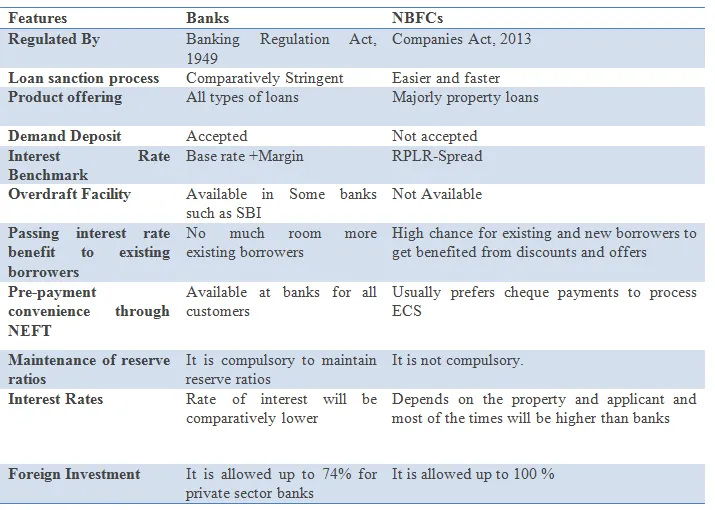
- An NBFC is an institution that is incorporated under the Companies Act, 1956, that provides financial services similar to traditional banks including loans, advances, acquisition of shares or bonds etc, but they do not have a banking license.
- Also known as nonbank financial institutions (NBFIs), it has principal business of receiving deposits under any scheme or arrangement excluding traditional demand deposits.
- It cannot form part of the payment and settlement system, cannot issue cheques and deposit insurance facility of Deposit Insurance and Credit Guarantee Corporation is not available to depositors of NBFCs.
- Categories: Deposit and Non–Deposit accepting NBFCs
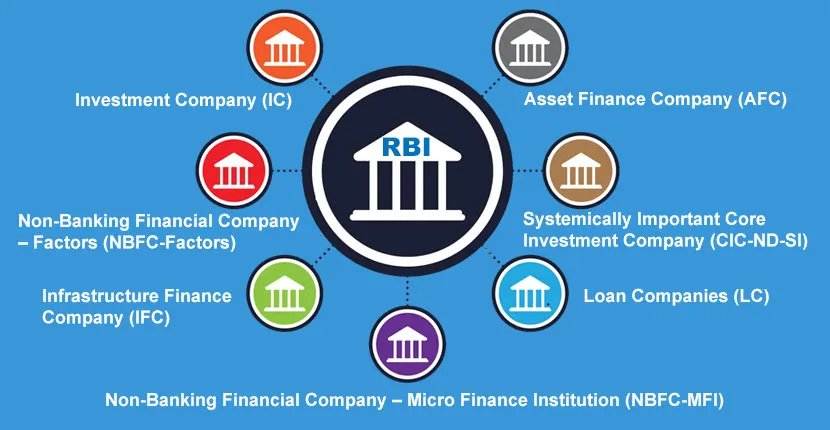
Types of NBFCs in India:
- Asset Finance Companies (AFCs): It primarily engages in financing assets such as machinery, vehicles, equipment, and other tangible assets & help businesses expand their operations.
- Loan companies: NBFCs extend credit facilities to businesses in the form of working capital loans, trade finance, and project financing.
- Infrastructure Finance Companies (IFCs): It primarily finance projects related to national infrastructure such as power, roads, telecommunications, etc.
- Systemically Important Core Investment Company (CIC-ND-SI): It carries on the business of acquisition of shares and securities.
- Infrastructure Debt Fund–NBFC: It facilitates the flow of long-term debt into infrastructure projects through bonds of minimum 5-year maturity.
- NBFC–Micro Finance Institution: It is a non-deposit taking NBFC, who primarily provide small loans without collateral to people who do not have any access to banking facilities.
Ref: Source
| UPSC IAS Preparation Resources | |
| Current Affairs Analysis | Topperspedia |
| GS Shots | Simply Explained |
| Daily Flash Cards | Daily Quiz |