









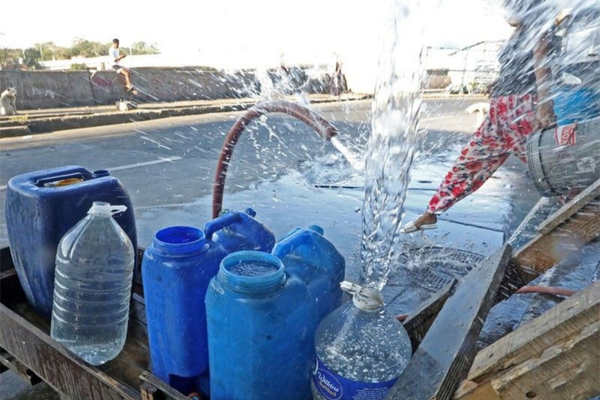
In recent years, Reverse Osmosis (RO) has become popular for purifying water by removing impurities, pathogens, and lowering Total Dissolved Solids (TDS).
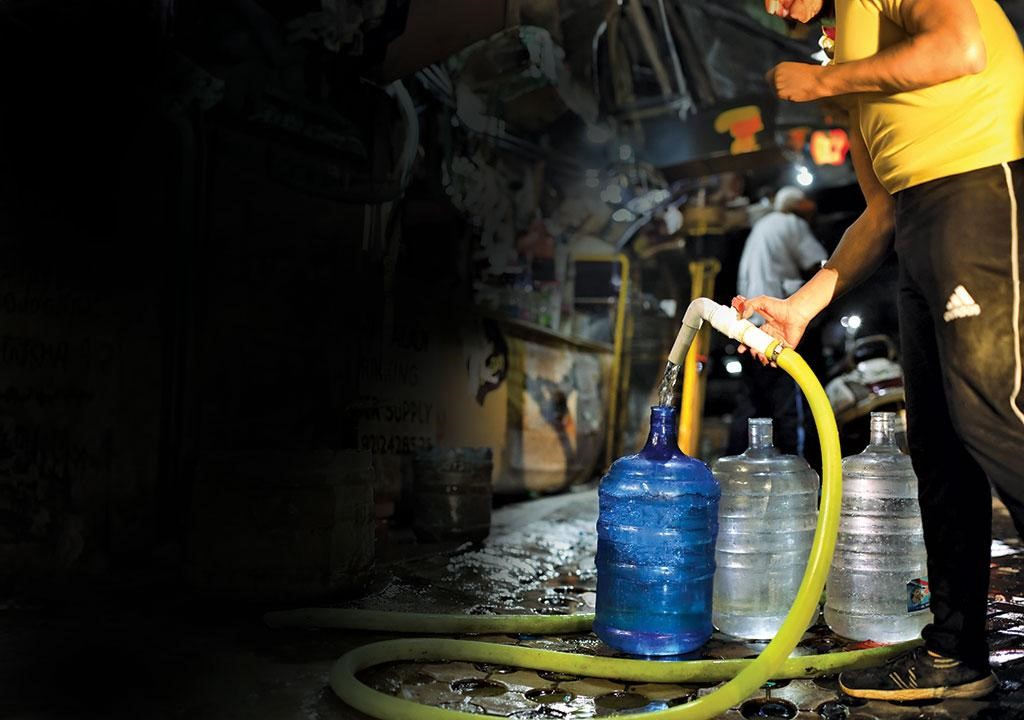
About RO Water Purification Method:
- RO involves the passage of water through a semi-permeable membrane to eliminate contaminants.
- This process filters out dissolved solids, chemicals, microorganisms, and other impurities.
- It is effective against a wide range of contaminants, including salts, heavy metals, and bacteria, thus producing clean and safe water.
- RO systems are utilized in both residential and industrial settings to enhance water quality for drinking, cooking, and other essential uses.
Reasons for the Growing Demand for RO Water:
- The necessity arises from the prevalence of groundwater or tap water contamination, characterized by an unpleasant taste or the presence of harmful substances.
- Many believe in the superior health benefits of RO water, though scientific backing is limited.
- RO systems are praised for their convenience, easy installation, and low maintenance requirements.
- Increased urban living standards and contamination concerns have amplified the demand for RO water.
- Continuous innovations have made RO purification more efficient and cost-effective.
Concerns Associated with RO Purification:
- The process might strip water of essential minerals like calcium and magnesium, leading to potential health risks.
- Some RO-treated waters have TDS (Total Dissolved Solids) levels below 50 mg/l, which might not be ideal for health, often referred to as “dead water.”
- There are concerns over possible health issues, including joint pain, coronary heart disease, and other conditions linked to low mineral intake from RO water.
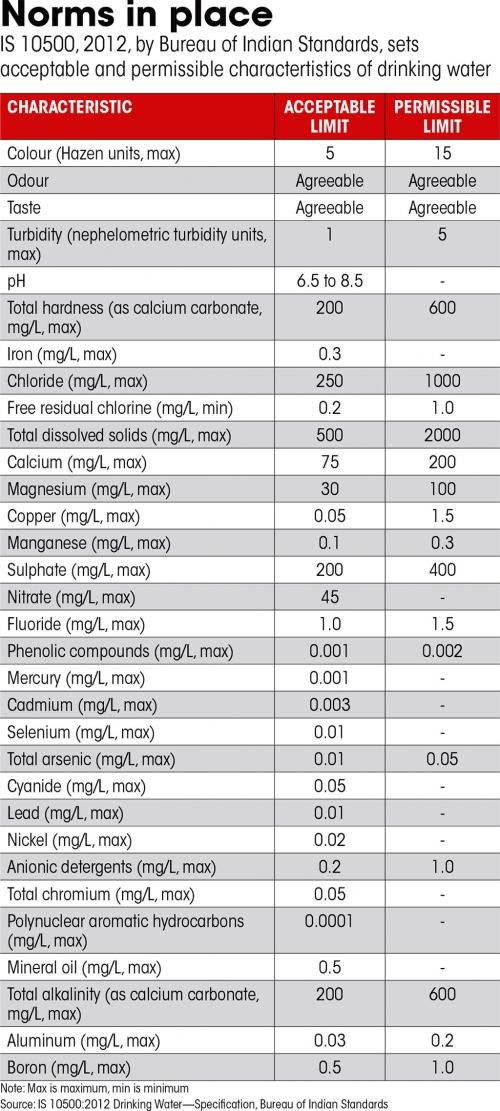
TDS Limits and Safe Drinking Water Standards:
- WHO recommends TDS levels in drinking water to be between 600 and 1,000 mg/l for optimal health.
- The United States and Canada advise a range of 500 to 600 mg/l.
- Prescribed by BIS in India, the maximum limit is set at 500 mg/l, with allowances up to 2,000 mg/l in specific circumstances.
Recommendations for RO Water Use:
- Advise the use of RO systems primarily in areas affected by hard or heavily contaminated groundwater.
- For areas with lesser contamination, simpler methods like activated carbon or UV filters might be sufficient.
- Urges the development of standards that ensure water safety without compromising on essential mineral content.
- Highlights the importance of raising awareness about the health impacts of RO water and promoting informed decision-making.
- Suggests focusing on technologies aimed at removing specific harmful elements and encouraging RO systems that preserve or reintroduce essential minerals.
| UPSC IAS Preparation Resources | |
| Current Affairs Analysis | Topperspedia |
| GS Shots | Simply Explained |
| Daily Flash Cards | Daily Quiz |