










The Department of Telecommunications recently published the first set of draft rules under the Telecommunication Act, 2023, which include the establishment of the Digital Bharat Nidhi (DBN).
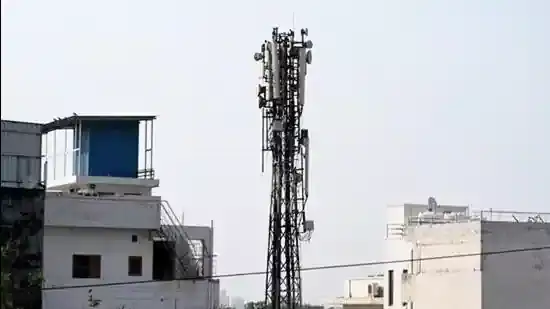
Draft rules under Telecommunication Act 2023:
- These rules, when finalized and notified, will replace the subordinate legislation of the Telegraph Act, 1885, which the Telecom Act repealed and replaced.
- The drafts include:
- Telecommunications (Critical Telecom Infrastructure) Rules, 2024;
- Telecommunications (Procedures and Safeguards for lawful Interception of Messages) Rules, 2024;
- Telecommunications (Telecom Cyber Security) Rules, 2024;
- Temporary Suspension of Telecommunication Services Rules, 2024.
- Recruitment rules for top bureaucratic leadership for the DoT have also been amended in line with the Telecom Act.
- The rules are open for public comment for a period of 30 days, after which the DoT is likely to finalise and notify them.
- No major regulatory changes in the status quo were immediately apparent in the draft rules.
Establishment of Digital Bharat Nidhi (DBN):
- DBN was established through the Telecommunications Act 2023, and replaces the Universal Service Obligation Fund (USOF).
- The USOF was established under the Indian Telegraph Act, 1885, and given statutory status in 2003 through amendments.
- The new rules replace the Indian Telegraph Rules, 1951, and will not override existing arrangements until their expiry.
- Its main objective is to provide telecom services in underserved rural, remote, and urban areas, support R&D, and promote new telecom technologies and services.
- Payments received for DBN will first be credited to the Consolidated Fund of India and then to the DBN upon parliamentary approval.
- Universal Access Levy (UAL) includes 5% of the telecom company’s adjusted gross revenue (AGR).
Rules and Implementation
- The central government will appoint a DBN administrator via gazette notification.
- Implementers will be selected through bidding or by inviting applications for R&D and pilot projects.
- Under special circumstances, the administrator can nominate an implementer with government approval.
- The administrator can determine funding on a case-by-case basis, including full, partial, co-funding, market risk mitigation, and risk capital.
- Implementers must offer services in an open, non-discriminatory manner and comply with the administrator’s instructions.
- The DBN administrator has broader powers than the USOF administrator, including formulating bidding procedures, disbursing funds, specifying asset terms, and monitoring projects.
- A digital portal will be created for implementers and stakeholders to provide services, report, and monitor schemes and projects.
Ref: Source
| UPSC IAS Preparation Resources | |
| Current Affairs Analysis | Topperspedia |
| GS Shots | Simply Explained |
| Daily Flash Cards | Daily Quiz |
Frequently Asked Question:
What is the Indian Telecommunications Act 2023?
The Indian Telecommunications Act 2023, is a new legislative framework that replaces the outdated Telegraph Act of 1885, modernizing regulations to better address current telecommunications needs and challenges.
What is Digital Bharat Nidhi (DBN)?
The Digital Bharat Nidhi (DBN) is a new fund established through the Telecommunications Act, 2023, replacing the Universal Service Obligation Fund (USOF) to support the provision of telecom services in underserved areas and promote R&D and new telecom technologies.
What was the Universal Service Obligation Fund (USOF)?
The USOF was established under the Indian Telegraph Act, 1885, and given statutory status in 2003 to ensure universal access to telecom services, especially in rural and remote areas.